Skin resurfacing vs facial: the honest verdict
If you want to maintain healthy, hydrated, comfortable skin, book a facial. If you want to work on a specific concern like pigmentation, texture, breakouts or early signs of ageing, skin resurfacing is designed to go deeper. Many clients do both over time, and every plan starts with a consultation because results vary from person to person.
It is one of the most common questions we hear in the treatment room. You know your skin needs a little attention, but you are not sure whether a relaxing facial will do the job or whether you need something more targeted. The two are not the same, and choosing well comes down to what you actually want your skin to do.
At Skin Essentials in St Marys, we offer both, and we are the only clinic in Western Sydney to stock pHformula. So here is a genuinely balanced look at skin resurfacing vs facial care, how each one works, who each suits, and how to tell which is right for you right now.
Skin resurfacing vs facial at a glance
| Skin resurfacing | Regular facial | |
|---|---|---|
| Main purpose | Targets a specific concern by working on the deeper layers of the skin | Cleanses, hydrates and maintains healthy, comfortable skin |
| Best for | Pigmentation, uneven texture, breakouts, early signs of ageing, dull or congested skin | General upkeep, hydration, sensitivity, relaxation, prepping for an event |
| How it works | Controlled resurfacing (with pHformula) that works to renew the skin surface and stimulate repair | Surface cleanse, exfoliation, massage, mask and tailored serums |
| Intensity | More active, sometimes with mild flaking or dryness afterwards | Gentle, comfortable, no real downtime |
| Typical schedule | Often a short course, spaced a few weeks apart, then maintenance | Every four to six weeks as ongoing care |
| What to expect after | Skin can feel tight or look pink briefly; results build over a course | Skin feels clean, soft and hydrated straight away |
Both start the same way with us, with a consultation, so the plan is built around your skin rather than a set menu.
What is skin resurfacing?
Skin resurfacing is a professional treatment designed to renew the skin at a deeper level than a standard facial, so it can target specific concerns. Rather than only working on the surface, controlled resurfacing works to encourage the skin to shed older, tired cells and support fresh, healthier skin underneath.
At Skin Essentials we use pHformula controlled resurfacing. This is resurfacing, not a peel. The pHformula system uses its PH-DVC™ technology to work with your skin in a controlled, considered way, which is part of why it suits a range of skin types when it is matched to you properly.
Who it suits: skin resurfacing tends to be the better fit if you have a concern you want to actively improve, such as pigmentation, uneven texture, breakout-prone skin, dullness or early signs of ageing that a facial alone is not shifting.
What to expect: resurfacing is more active than a facial. Depending on the treatment, your skin might feel tight, look a little pink, or flake gently for a few days as it renews. This is normal and settles. Because it is more targeted, it is usually done as a short course spaced a few weeks apart, then maintained. Results build over the course and vary from person to person, which is exactly why we plan it around your skin in a consultation first. You can read more in our complete guide to skin resurfacing.
What is a regular facial?
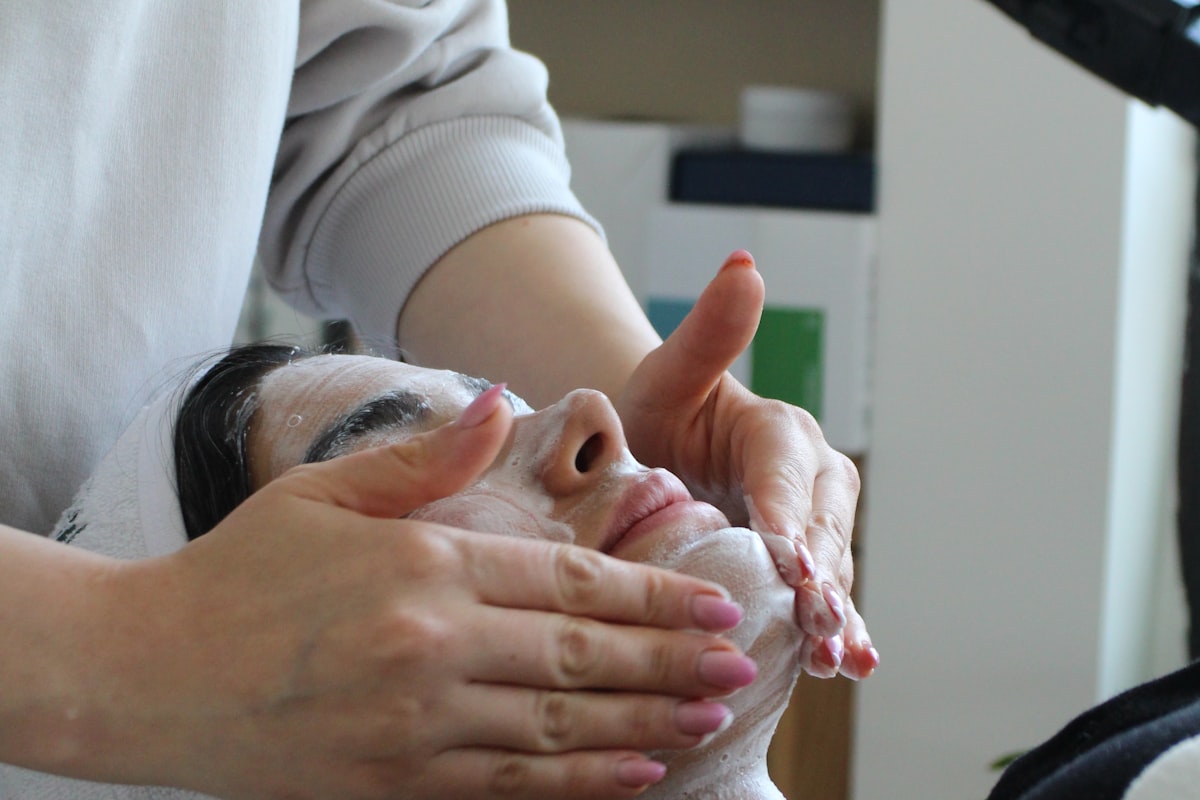
A regular facial is a gentle, comfortable treatment designed to cleanse, hydrate and maintain healthy skin, with no real downtime. It is the steady, nourishing upkeep your skin benefits from between bigger decisions, and it feels lovely too.
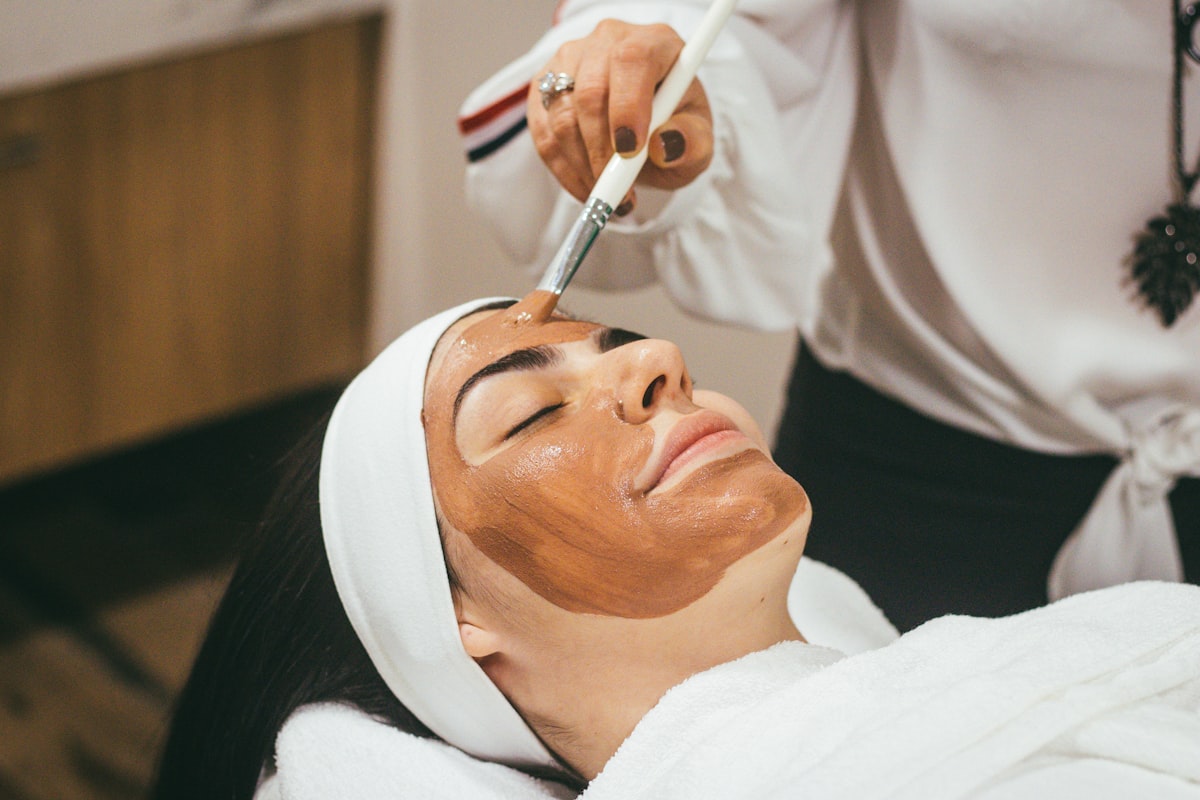
A typical facial includes a proper cleanse, some exfoliation, extractions if needed, a massage, a mask and serums chosen for your skin on the day. Our custom hydration and nourishing facials are tailored each visit, because your skin in winter is not the same as your skin in summer, and a facial should move with it.
Who it suits: a facial is ideal if your skin is generally healthy and you want to keep it that way, if it is feeling dry, tired or sensitive and needs comfort and hydration, or if you have an event coming up and want your skin looking its freshest.
What to expect: facials are relaxing and gentle, with no downtime. Your skin feels clean, soft and hydrated straight after, and regular facials, roughly every four to six weeks, help keep it in good condition over time. There is no flaking and nothing to plan around afterwards.
Which is right for you?
Here is the simple way we talk it through in the treatment room. Use these as a starting point, then let us confirm it with you in person.
- If you want general maintenance, hydration or a calm reset, start with a facial. It keeps healthy skin healthy and is a lovely place to begin if you are new to treatments.
- If you have a specific concern you want to actively improve, such as pigmentation, texture or congestion, skin resurfacing is designed to work on it more directly.
- If your skin is sensitive or reactive right now, a nourishing facial that calms and strengthens the barrier often comes first, before any resurfacing.
- If you have an event soon, choose a facial. Resurfacing is best planned well ahead, not days before, so your skin has time to settle.
- If you are honestly not sure, that is the most common answer of all, and it is exactly what a consultation is for.
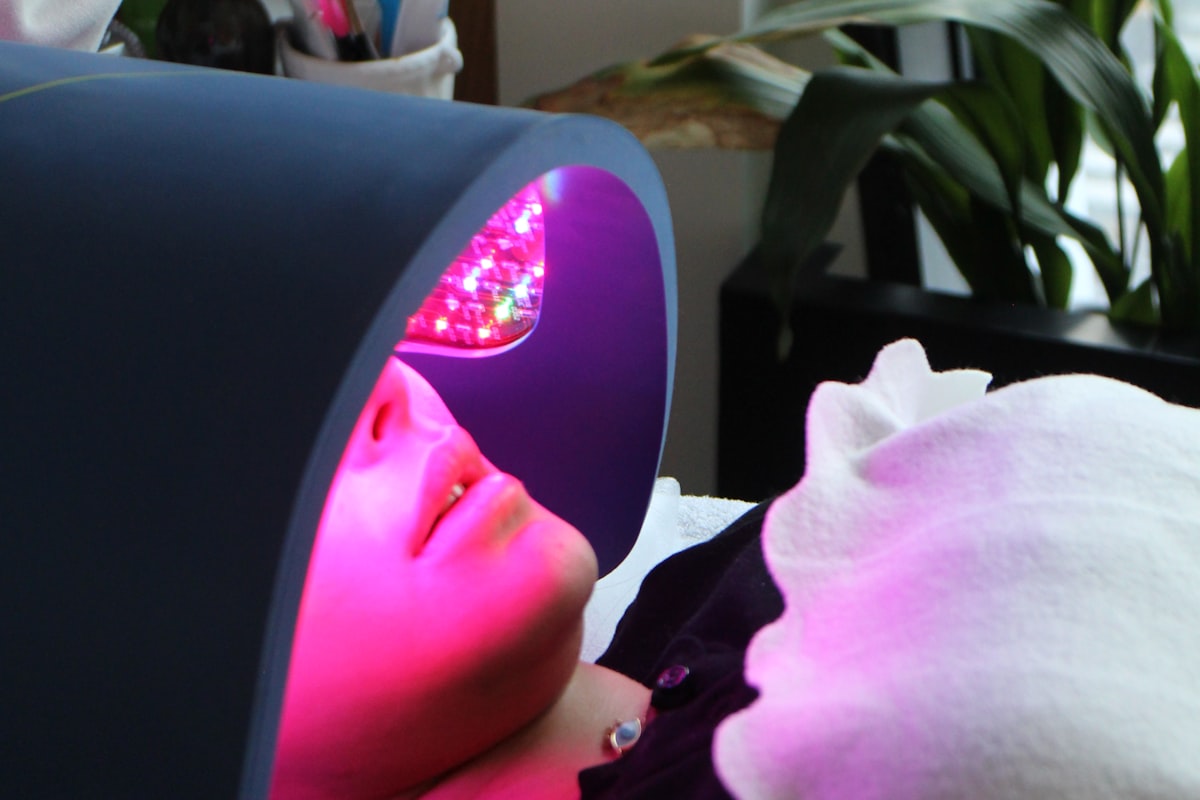
Many clients end up doing both. Facials keep the skin healthy and comfortable month to month, while a course of resurfacing works on a particular goal. If you are weighing up active ingredients, you might also like our honest look at pHformula versus at-home acids, and our team can talk you through where treatments like Medilift or LED light therapy fit alongside your plan. The right mix is different for everyone, and results vary, which is why we never build it from a template.
Frequently asked questions
Is skin resurfacing better than a facial?
Neither is better, they do different jobs. A facial maintains healthy, hydrated skin, while resurfacing is designed to target a specific concern more deeply. The right choice depends on your skin and your goal, which we confirm in a consultation.
Does skin resurfacing hurt?
Most clients find pHformula resurfacing very manageable, often describing a warm or mild tingling sensation during the treatment. It is not the same as a facial, and afterwards your skin may feel tight or look slightly pink for a short time. We talk you through every step beforehand.
Can I have a facial and skin resurfacing?
Yes, and many clients do. Facials work well as ongoing care between a course of resurfacing, which targets a particular concern. We space and sequence them so your skin is never overworked, and we plan the timing around you.
How often should I get a facial?
For most skin, a facial every four to six weeks helps maintain a healthy, comfortable complexion. If your skin is dry, tired or sensitive, we may adjust the timing. Your therapist will suggest a rhythm that suits your skin during your consultation.
Is skin resurfacing safe for sensitive skin?
It can be, when it is matched carefully to your skin. pHformula is designed to work in a controlled way that suits many skin types, but if your skin is reactive right now we often calm and strengthen the barrier first. That decision always starts with a consultation.
Still not sure which one your skin needs? That is completely normal, and it is exactly what we are here for. Come in for a relaxed consultation and Ann, Kirstie or Linda will look at your skin, talk through your goals and build a plan that genuinely fits you. Book a consultation with our team whenever you are ready, there is no pressure.