The short verdict
At-home acids are a gentle, everyday way to keep your skin ticking over between treatments. pHformula resurfacing is a professional-only system, customised in clinic by a trained therapist, designed to work deeper and more precisely than anything you can buy for the bathroom shelf. Most skin does best with both, used for different jobs. Results vary, and the right balance is something we work out together at a consultation.
If you have ever stood in a pharmacy aisle wondering whether a glycolic serum could do what a professional treatment does, you are asking a genuinely good question. At-home acids and pHformula both use acids to refresh the skin, so on the surface they can sound like the same thing at different price points. They are not. They are built for different jobs, work at different depths, and suit different moments in your skin journey.
Here is an honest, side-by-side look at how they differ, who each one suits, and how to think about using them together. For the bigger picture on the system itself, our guide to what pHformula is and how it works is a good companion read.
pHformula vs at-home acids at a glance
This table sums up the core differences. The detail underneath each section explains what the differences mean for your skin.
| Feature | pHformula resurfacing | At-home acids |
|---|---|---|
| Where you get it | Professional-only, applied in clinic by a trained therapist | Bought over the counter or online, applied by you |
| Strength and depth | Pure-form actives calibrated to reach targeted skin layers | Lower concentrations formulated for safe daily home use |
| How it is chosen | Customised each visit after an S.P. sensitivity assessment | Self-selected from a shelf, same product for everyone |
| Barrier care | Designed to rebuild rather than strip, supported by PH-DVC(TM) | Depends on the product; overuse can compromise the barrier |
| Typical use | A course of sessions, spaced weeks apart | Daily or a few times a week, ongoing |
| Best at | Targeted work on redness, congestion, pigmentation or ageing | Gentle maintenance and keeping skin smooth between treatments |
What at-home acids are
At-home acids are the exfoliating ingredients you can buy yourself in cleansers, serums, toners and creams. The common ones are AHAs like glycolic and lactic acid, BHAs like salicylic acid, and gentler PHAs. They work to loosen the bonds between dull surface cells so skin looks brighter and feels smoother over time.
Their great strength is convenience and consistency. Used well, a well-formulated acid a few nights a week helps maintain texture, keep pores clearer and support a fresh, even look. Because they are made for daily hands, the concentrations are kept in a range that is safe to use without supervision.
That safety ceiling is also the trade-off. A shelf product cannot read your skin, cannot adjust to how sensitive you are this week, and is the same formula for everyone who buys it. The most common issue we see in the treatment room is not weak product, it is too much of a good thing. Layering several actives, using them too often, or pairing them with a strong retinol can leave the barrier stressed, red and reactive. More is not better with acids, and knowing when to hold back matters as much as knowing when to use them.
What pHformula resurfacing is
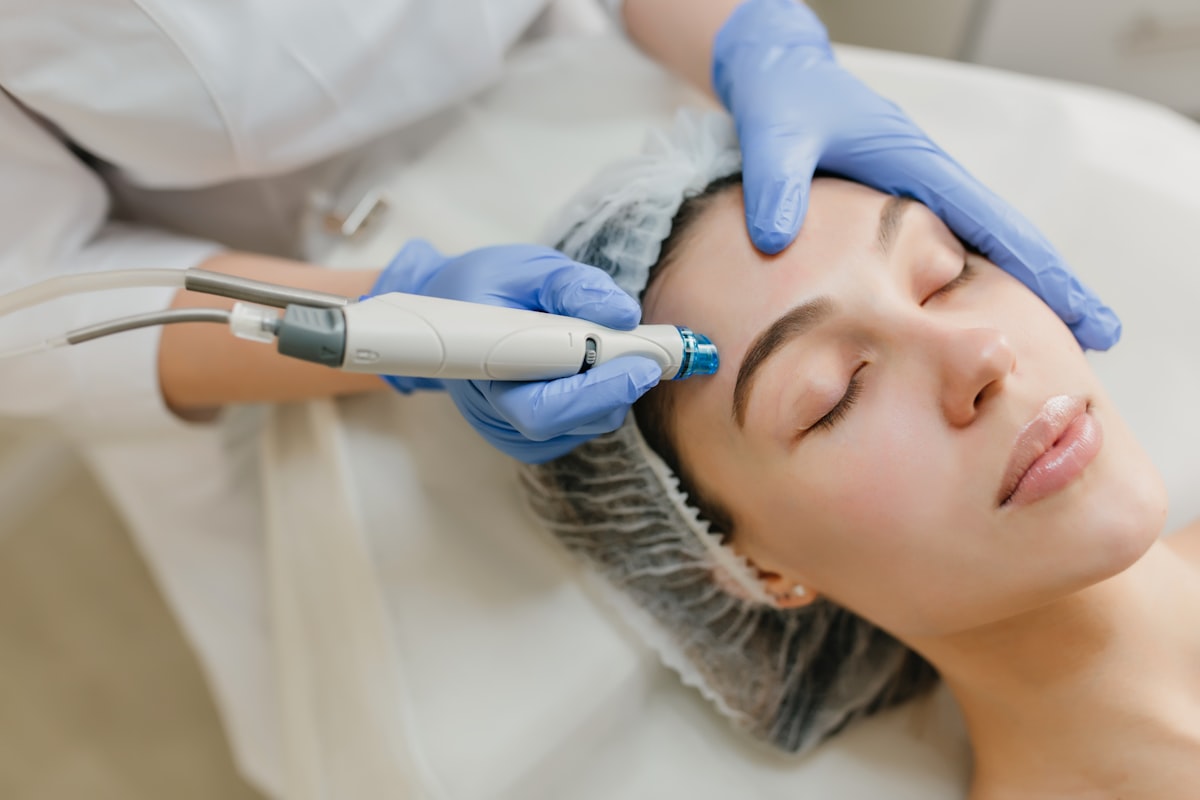
pHformula is a professional-only resurfacing system, and Skin Essentials is the only clinic in Western Sydney to stock it. Rather than simply exfoliating the surface, it uses pure-form actives calibrated to release their energy at targeted layers of the skin, working to stimulate renewal while protecting the barrier. This is why we say pHformula resurfaces, it does not peel. It is designed to rebuild rather than strip.
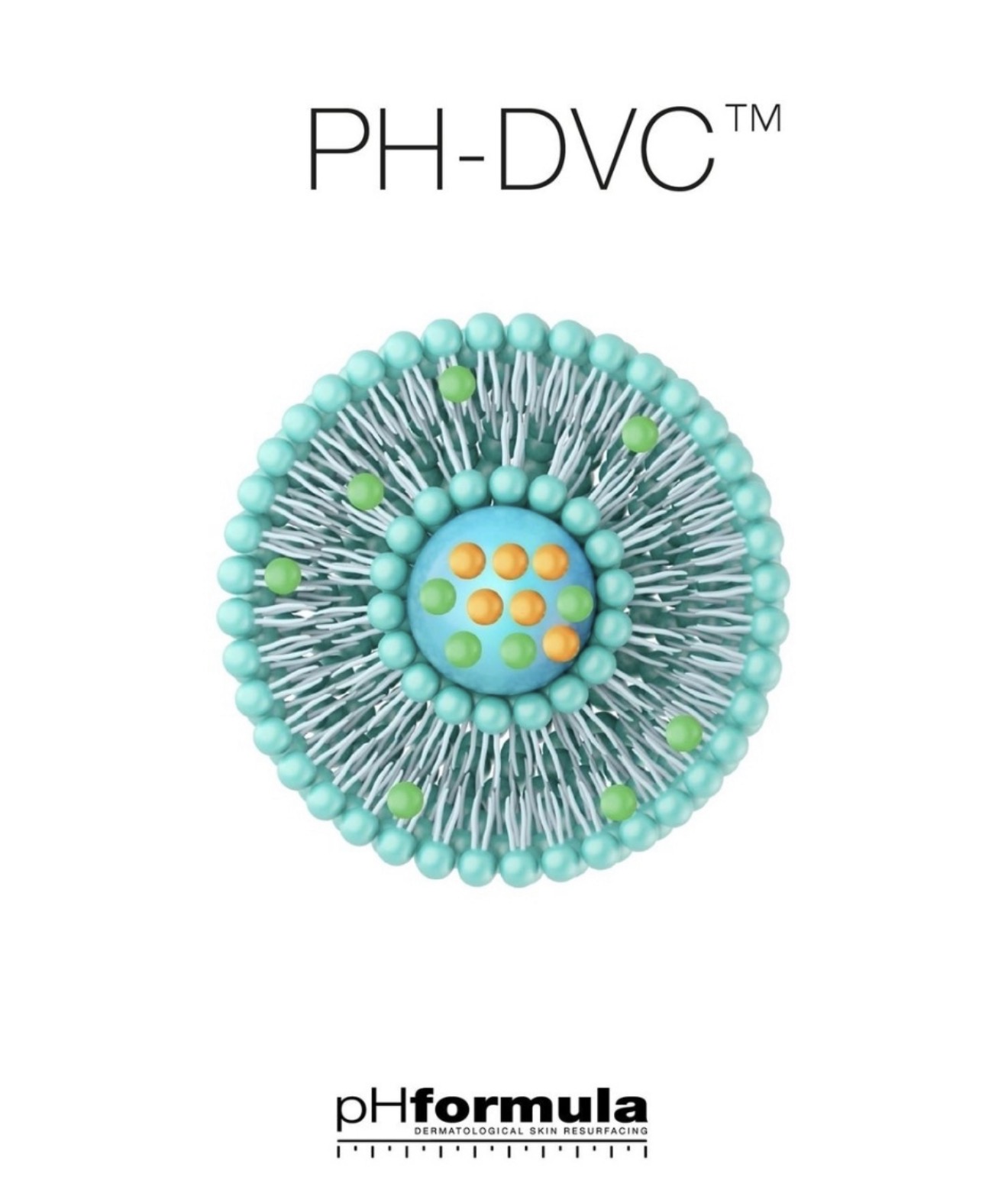
Two things make it different from anything in a bathroom cabinet. First, the PH-DVC(TM) delivery complex, which carries the actives more precisely, calms the skin and reduces irritation as it works. Second, the customisation. Before every treatment, your therapist runs an S.P. sensitivity assessment, because your skin is not the same from one visit to the next. That reading guides the safest, most effective protocol for your skin on the day.
pHformula is built around four chronic concerns: chronic redness, acne, hyperpigmentation and ageing. Each has its own in-clinic protocol matched with homecare, so the professional treatments and what you use at home pull in the same direction. You can read more about how a course runs on our pHformula resurfacing treatments page. Every plan is individually customised, professional treatments are delivered by our team, and results vary from person to person.
Do they work together?
Yes, and for most skin that is the ideal setup. Think of professional resurfacing as the targeted work and your at-home routine as the daily maintenance that keeps the results ticking along. The two are not rivals, they are partners with different roles.
The important part is that they are matched, not stacked blindly. When your home actives are chosen to complement your in-clinic protocol, they support your skin between sessions. When they clash, or when you are using strong acids at home right around a professional treatment, you can overdo it. That is exactly the kind of thing we map out together, so your routine works with your treatments rather than against them.
Which is right for you?
Here is some honest if-then guidance to help you think it through. None of it replaces a proper skin analysis, but it is a good starting point.
- If you want simple, low-commitment maintenance and your skin is generally healthy, a gentle at-home acid a few nights a week may be all you need for now.
- If you are targeting a specific concern like persistent congestion, uneven tone, pigmentation or early signs of ageing, professional resurfacing is designed to work more deeply and precisely than a shelf product can.
- If your skin is sensitive, reactive or often red, please do not reach for stronger acids on your own. This is where the S.P. sensitivity assessment matters most, so your treatment is calibrated to what your barrier can handle. Our guide to pHformula for sensitive skin goes into this in more depth.
- If you have tried at-home acids and stalled, or you are not sure what is helping and what is irritating, that is a clear sign to get a professional read rather than keep experimenting.
- If you are already having treatments, bring your current products in so we can make sure your homecare and your in-clinic plan are working together.
When you are genuinely unsure, the honest answer is to start with a consultation. It costs you nothing to find out what your skin actually needs, and it saves you money and irritation compared with guessing on the shelf.
Frequently asked questions
Is pHformula just a stronger version of an at-home acid?
No, it is a different system, not simply a higher dose. pHformula uses pure-form actives delivered through the PH-DVC(TM) complex and is customised to your skin each visit, so it works to resurface at targeted layers while protecting the barrier, rather than only exfoliating the surface the way a home product does.
Can I use my at-home acids and pHformula at the same time?
Often yes, but they need to be matched, not stacked. Your therapist will guide which home products to use and when around your treatments, because using strong acids at home too close to a session can overwork the skin. Bring your current products to your consultation so we can plan them together.
Will pHformula irritate my skin more than a home acid?
Not necessarily, and for many people it is gentler than expected. Because every treatment starts with an S.P. sensitivity assessment and is customised to your skin that day, it is designed to work with minimal irritation and little downtime. Results and comfort vary, which is why the assessment happens before every session.
Do I still need a home routine if I have professional treatments?
Yes. Homecare is an integral part of every pHformula program, not an optional extra. What you use between sessions supports and maintains the work done in clinic, which is why your therapist recommends products chosen to match your protocol.
How is pHformula different from a peel?
pHformula is controlled resurfacing, designed to rebuild the skin rather than strip it. That is a real difference in how it works, not just wording, which is why we describe it as resurfacing rather than peeling and why it can suit sensitive skin that would not tolerate a stripping approach.
Not sure whether your skin needs a gentler home routine, professional resurfacing or a bit of both? Come in for a consultation and we will read your skin properly and build a plan around it. You can book a consultation with our team whenever you are ready. Skincare, made for you.