In-clinic vs at-home pigmentation treatments
The honest verdict: for everyday maintenance and prevention, a good at-home routine does real work, but for stubborn or deeper pigmentation the results usually come faster and last longer with a professional in-clinic plan. Most skin does best with both, and results vary, so the right mix is something we map out together at a consultation.
If you are weighing up a pigmentation treatment clinic vs home approach, you are asking a sensible question. Pigmentation is one of the most common concerns we see in the treatment room, and the internet is full of products that promise to lift it overnight. The truth is gentler and more useful. Both paths help, they just do different jobs, and knowing which suits your skin (and your budget and your patience) saves you money and disappointment.
This guide lays the two side by side, honestly, so you can decide where to start. For the bigger picture on why pigmentation forms and the different types, our complete guide to hyperpigmentation and melasma is the place to go deeper.
At a glance: clinic vs home
| What matters to you | In-clinic treatments | At-home care |
|---|---|---|
| Strength of active ingredients | Professional-grade, applied by a trained therapist | Lower concentrations, made for daily unsupervised use |
| Speed of visible change | Often faster, designed to work over a short course | Slower and steadier, works over months |
| Best for | Stubborn, deeper or widespread pigmentation | Prevention, maintenance and mild unevenness |
| Guidance | Assessed and adjusted each visit | Self-managed between appointments |
| Upfront cost | Higher per session, fewer sessions | Lower to start, ongoing |
| Risk if used wrong | Managed by your therapist | Irritation or worse pigmentation if overused |
| Sun protection needed | Essential | Essential |
Neither column wins outright. They are designed to support each other, which is why almost every plan we build uses a little of both.
In-clinic pigmentation treatments
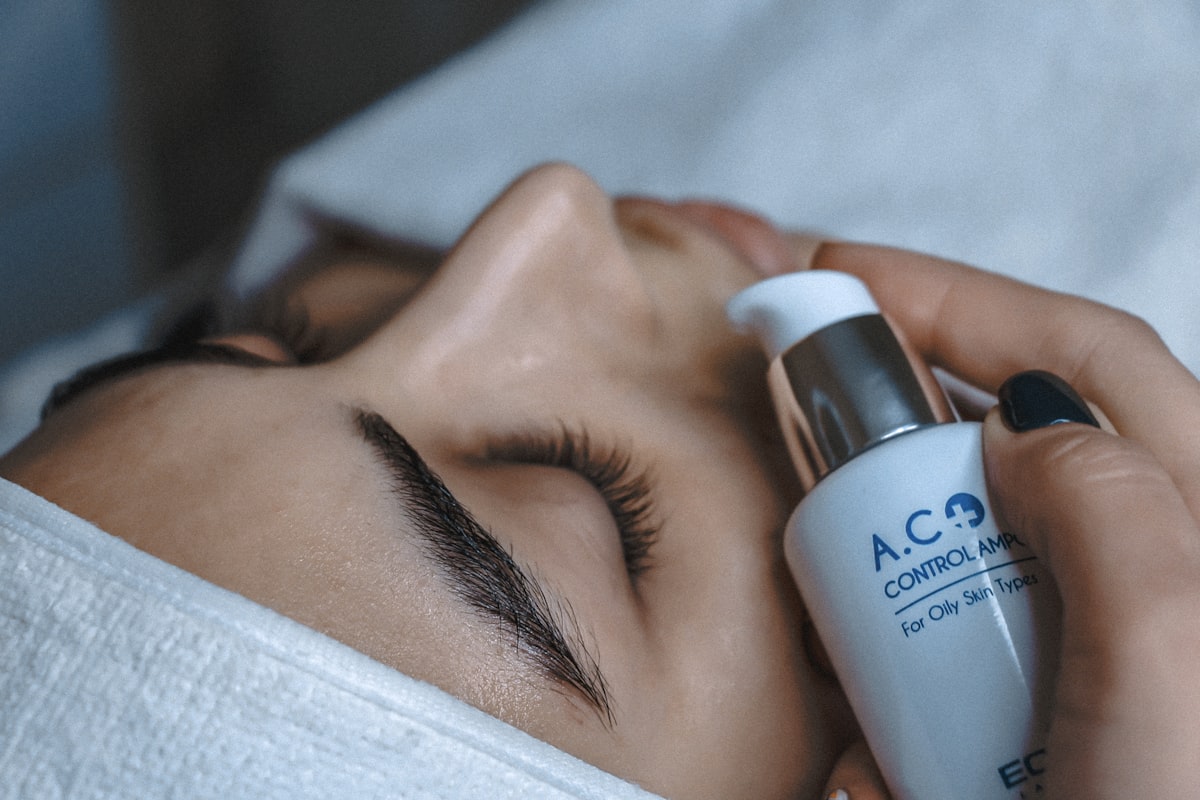
In-clinic treatments use professional-grade actives and technology to target pigment more directly than anything you can safely buy for home use. Because a therapist assesses your skin first and controls the treatment, the strength can be matched to what your skin can handle on the day.
At Skin Essentials the cornerstone for pigmentation is pHformula skin resurfacing. pHformula is a controlled resurfacing system (not a peel) that works to encourage fresher, more even skin while supporting the barrier rather than stripping it. We are the only clinic in Western Sydney to stock pHformula, and every course begins with a consultation so the formula and pace are built around your skin.
Resurfacing is often paired with supporting treatments. Gentle LED light therapy can be used to calm the skin and support recovery, while a course of custom hydration facials keeps the barrier comfortable between sessions. For pigmentation, that barrier support matters, because inflamed or irritated skin tends to hold onto colour.
Who it suits: pigmentation that has not shifted with home care, post-inflammatory marks from old breakouts, or melasma that needs careful, professional management. It also suits anyone who wants a clear plan and a trained eye on their progress.
What to expect: usually a course rather than a single visit, commonly several sessions spaced a few weeks apart, with a homecare routine to match. Results vary from person to person, and melasma in particular is managed over time rather than fully removed, so we are always honest about that at your first chat.
At-home pigmentation care
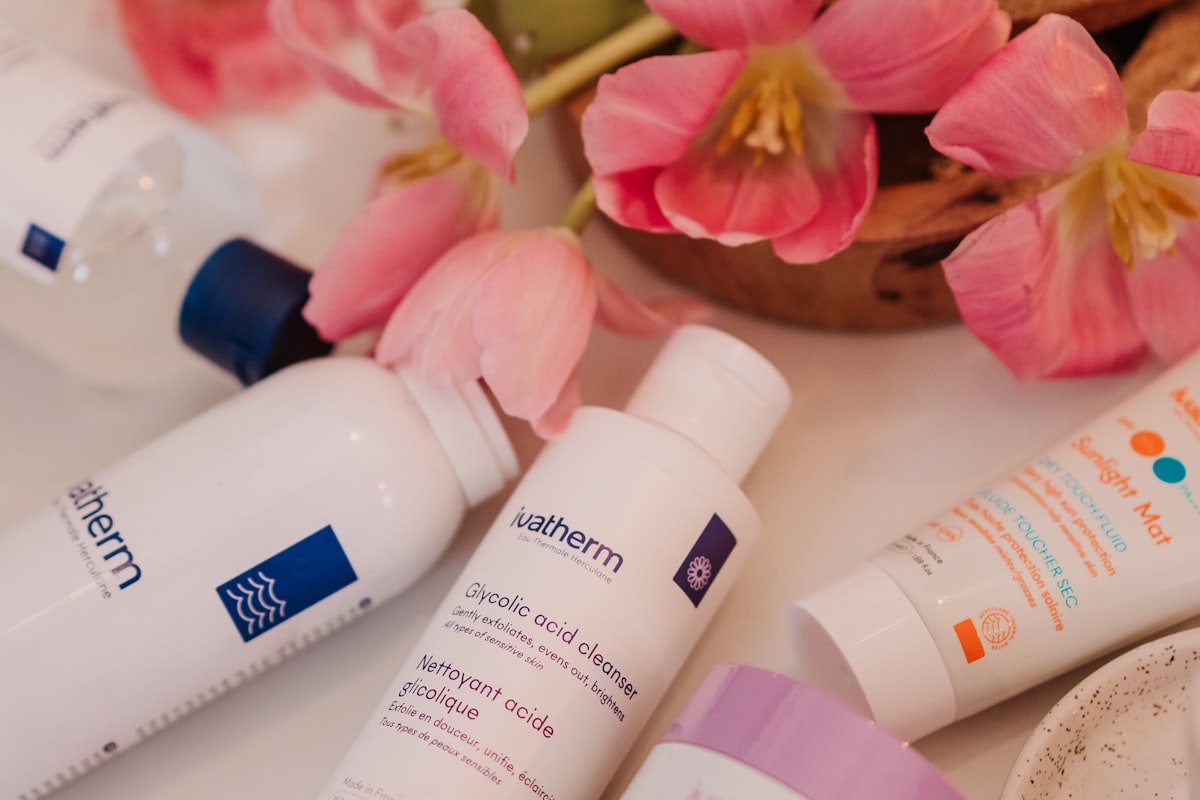
At-home care is the daily, consistent work that protects and maintains your skin between (or instead of) clinic visits. The concentrations are lower by design, because a product you use every day without supervision has to be safe to use every day.
A sensible at-home routine for pigmentation usually includes a few reliable pieces:
- A broad-spectrum SPF worn every single day, rain or shine. This is the most important step by a wide margin, because sun exposure is what drives most pigmentation and undoes other efforts.
- A vitamin C or other antioxidant serum to help brighten and protect.
- A targeted ingredient such as niacinamide or a prescribed active to help even tone over time.
- Gentle, barrier-friendly cleansing and moisturising, so the skin stays calm.
The strength of home care is prevention and consistency. The limitation is patience and ceiling. It works slowly, and on deeper or stubborn pigmentation it can plateau. Used too aggressively, strong home actives can irritate the skin and, frustratingly, trigger more pigmentation rather than less. That is the most common self-treatment mistake we see.
Who it suits: mild unevenness, anyone building good habits, and everyone as the foundation that makes in-clinic results last. If you take one thing from this article, let it be daily sun protection.
Which is right for you?
Here is the simple if/then guidance we would give you across the consultation table.
- If your pigmentation is mild and recent, then start at home with daily SPF, an antioxidant and a gentle brightening routine, and give it a few months.
- If home care has plateaued, then it is worth adding in-clinic resurfacing to do the deeper work your daily products cannot reach.
- If your pigmentation is deep, widespread or long-standing, then an in-clinic plan is usually the faster and more reliable path, with home care alongside it.
- If you think you have melasma, then please book a consultation before spending on products. Melasma is easily aggravated and needs a careful, professional plan rather than trial and error.
- If your skin is sensitive or reactive, then start gently and let us guide the pace. Barrier comfort comes first, always.
For most people, the honest answer is not one or the other. It is home care as the steady foundation, with in-clinic treatments to accelerate and target. Where that balance sits for you is exactly what a consultation is for. If a concern turns out to need a GP or dermatologist, we will tell you that too.
You might also find our comparison of pHformula resurfacing versus at-home acids helpful when you are choosing products, and you can always talk to our team if you would rather ask a person.
Frequently asked questions
Can at-home products remove pigmentation on their own?
Sometimes, for mild and recent pigmentation, consistent home care with daily sun protection can noticeably even the skin over a few months. Deeper or stubborn pigmentation usually needs in-clinic support as well, and results vary from person to person.
Is in-clinic pigmentation treatment safe for sensitive skin?
Yes, when it is assessed and paced properly. Because a therapist matches the strength to your skin on the day, professional treatments can often be gentler in practice than strong products used without guidance at home. Every plan starts with a consultation.
How long until I see results?
At-home care generally works over several months, while in-clinic resurfacing is designed to show change over a shorter course of sessions. Timeframes depend on your skin, the type of pigmentation and how consistent you are with sun protection, so we set realistic expectations at your first visit.
Is pHformula a peel?
No. pHformula is a controlled skin resurfacing system, not a peel. It works to renew and even the skin while supporting the barrier, rather than stripping it, and it is applied by a trained therapist as part of a tailored plan.
Do I still need sunscreen if I have professional treatments?
Absolutely, more than ever. Sun exposure is the main driver of pigmentation and the fastest way to undo your progress, so daily broad-spectrum SPF is essential whether you treat your skin at home, in clinic, or both.
Not sure where your pigmentation sits on that scale, or where to start? Come in for a calm, no-pressure consultation and we will look at your skin together and build a plan that is genuinely yours. You can book a consultation with Ann, Kirstie or Linda whenever you are ready.