pHformula for pigmentation and melasma: the short answer
pHformula for pigmentation is a professional-only, controlled resurfacing approach designed to soften dark spots, melasma and uneven tone. It works to brighten and even the skin using the M.E.L.A. classification, matched to your skin at consultation. Results vary, and every plan is customised.
At Skin Essentials in St Marys, we are the only clinic in Western Sydney to stock pHformula, so this is a range we know closely. Below, Kirstie explains how it works on pigmentation, who it suits, and what a typical course looks like.
How does pHformula work on pigmentation?
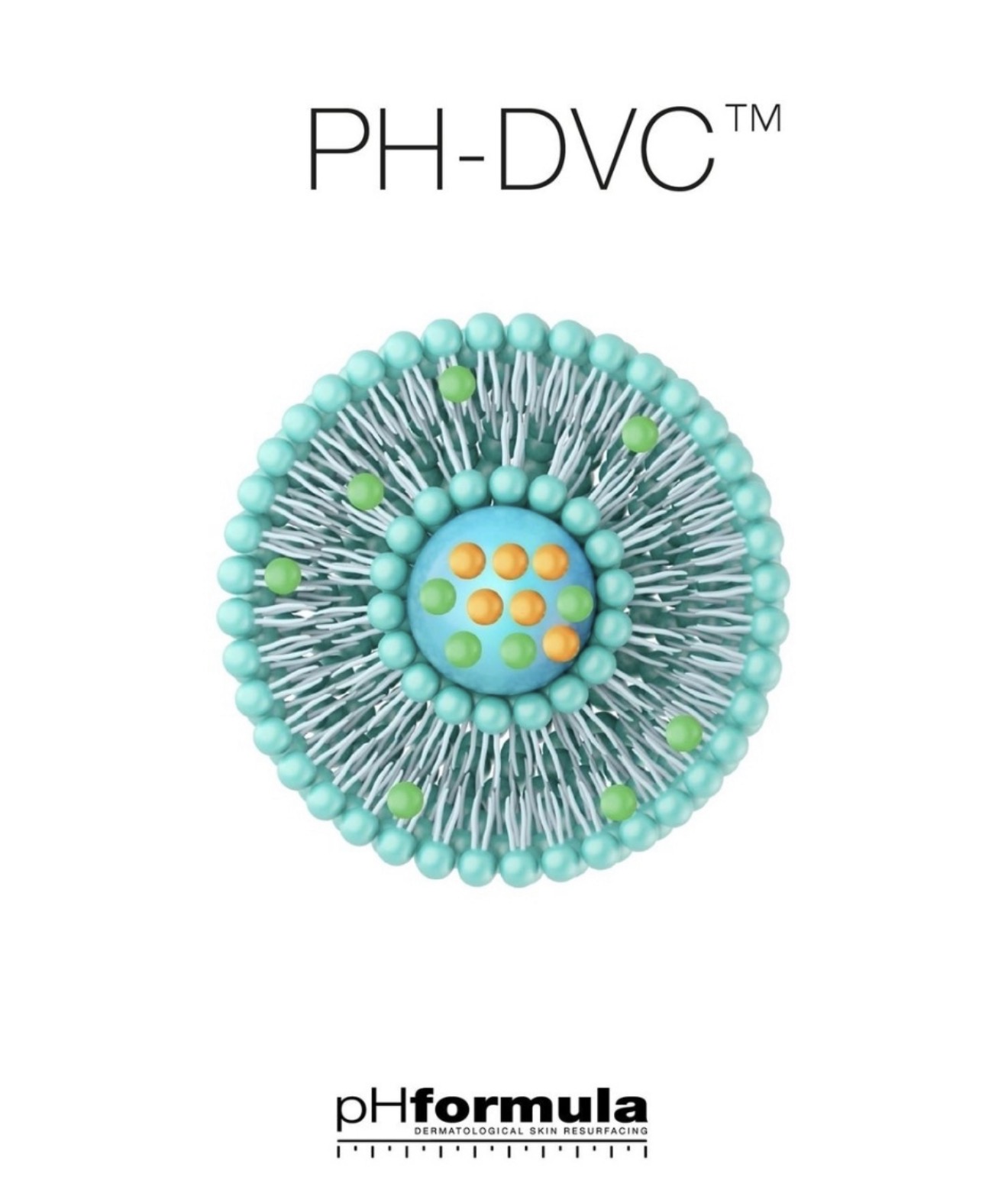
pHformula resurfaces rather than peels, which is an important difference for pigmented skin. Instead of stripping the surface, it uses PH-DVC(TM), a delivery complex that carries pure-form actives into the skin to accelerate cell renewal while protecting the barrier.
Pigmentation sits in the skin because pigment cells are overproducing or unevenly distributed. The M.E.L.A. classification is pHformula's pathway for this concern. It combines actives such as 4-butylresorcinol, mandelic, lactobionic, salicylic and phytic acids with the signature M.E.L.A. powerclays(TM), a clay base designed for even, controlled penetration across all skin types.
The aim is to encourage fresher, more evenly pigmented skin to surface over a course, rather than to force a rapid, irritating reaction. For pigmentation especially, gentle and controlled matters, because heat and irritation can make some pigment worse.
Is pHformula suitable for melasma?
Melasma can respond to pHformula, but it needs a careful, patient approach because it is a stubborn, hormonally influenced type of pigmentation that flares easily. We never promise to clear it. Instead, we work to soften its appearance and keep it calmer over time.
Because melasma is sensitive to heat, friction and light, your therapist runs the S.P. complex, a sensitivity and permeability assessment, before every single treatment. Your skin changes visit to visit, so this check guides the safest strength for that day. Daily SPF and a supportive homecare routine do a large share of the work with melasma, which is why the in-clinic and at-home sides always go together.
What does a pigmentation course look like?
Every pHformula program is individually customised, so there is no fixed menu. That said, pigmentation is usually addressed over a course of treatments rather than a single visit, paired with a homecare kit that keeps the results supported between appointments.
Here is a general picture of how a pigmentation journey tends to run with us. Yours will differ after consultation.
| Stage | What tends to happen |
|---|---|
| Consultation and skin analysis | We assess your skin, discuss your history and triggers, and run the S.P. assessment. |
| In-clinic resurfacing | A course of M.E.L.A. resurfacing treatments, usually spaced a couple of weeks apart. |
| Homecare | A matched kit, often including A.C.T.I.V.E., a M.E.L.A. recovery, gentle cleansing and daily SPF. |
| Maintenance | Ongoing sun protection and periodic treatments to hold and build on your progress. |
A real example from the treatment room
A client came in before her sister's wedding, frustrated by patchy brown pigmentation across her cheeks that makeup was struggling to cover. She had tried strong at-home acids that left her skin red and, if anything, more blotchy.
Rather than push harder, we started gently. After a consultation and an pHformula skin resurfacing consultation, we began a M.E.L.A. course at a strength her skin could tolerate, alongside a simple homecare routine and daily SPF. Over the following weeks her tone looked more even and her confidence lifted. Her pigmentation was softened and more manageable, not erased, and she understood that keeping it calm would be ongoing. That honesty is the point.
What helps pHformula results last?
- Wear a broad-spectrum SPF every day, all year, since sun exposure is the biggest driver of pigment returning.
- Stay consistent with your homecare kit between treatments.
- Be patient across the full course rather than expecting one visit to do it.
- Tell your therapist about hormonal changes, pregnancy or new medications, as these affect pigmentation.
- Come back for the S.P. check each visit so your treatment matches your skin that day.
If you want the wider picture of how the whole system works, our guide to what pHformula is and how it resurfaces is a good next read. You may also like our piece on pHformula compared with at-home acids.
The short version
pHformula for pigmentation uses controlled M.E.L.A. resurfacing and matched homecare to soften melasma and uneven tone gently over a customised course, with daily SPF doing much of the lasting work. Results vary, and it starts with a consultation.
Frequently asked questions
Is pHformula a peel for pigmentation?
No, pHformula resurfaces rather than peels. It uses pure-form actives delivered through PH-DVC(TM) to renew the skin while protecting the barrier, which is designed to be gentler on pigmented and sensitive skin than a traditional stripping approach.
How many sessions will I need for pigmentation?
Pigmentation is usually worked on over a course rather than a single visit, but the number is personal to your skin. We confirm a realistic plan at your consultation, since depth, type of pigmentation and how your skin responds all affect it.
Can pHformula completely remove my melasma?
We never promise to remove melasma, because it is a chronic, easily triggered concern. pHformula works to soften its appearance and keep it calmer, and daily sun protection is essential to holding your results. Results vary from person to person.
Is there downtime after a pigmentation treatment?
pHformula is designed for minimal downtime, though some mild flaking, dryness or tightness can happen as the skin renews. Your therapist will talk you through what to expect and how to care for your skin at home afterwards.
Is pHformula safe for darker skin tones?
The M.E.L.A. powerclays(TM) are formulated for even penetration across all skin types, and the S.P. assessment before each visit helps us treat darker skin carefully. We always tailor the strength to your skin to reduce the risk of further pigmentation.
If pigmentation or melasma is wearing on your confidence, we would love to take a proper look. Book a consultation with our team and we will build a gentle, honest plan around your skin.