
What is a damaged skin barrier?
A damaged skin barrier is when the skin's outer protective layer, the part that locks in moisture and keeps irritants out, has been weakened. You tend to notice it as tightness, redness, stinging, flaking or breakouts that seem to come from nowhere. The good news is that a barrier is designed to recover with the right, gentle support.
If your skin has started reacting to products it used to love, a compromised barrier is one of the most common reasons. Below is how to recognise it, what tends to cause it, and how you can work to repair it at home and with professional help.
How the skin barrier works
Think of the outer layer of your skin as a brick wall. The skin cells are the bricks, and the natural oils and lipids between them are the mortar. When that mortar is intact, water stays in and irritants stay out, so your skin feels calm and comfortable.
When the mortar is stripped away, water escapes and everyday things like weather, fragrance and active ingredients can get in and cause a reaction. That is a damaged skin barrier, and it is what sits behind a lot of sudden sensitivity. You can read more in our complete guide to calming sensitive skin.
Signs of a damaged skin barrier
The clearest sign is skin that suddenly feels reactive when it did not before. You might see one symptom or several, and they often come and go.
- Tightness or a stinging, burning feeling, especially after cleansing.
- Redness that lingers, or flushing that is easy to trigger.
- Dry, flaky or rough patches that moisturiser does not seem to fix.
- Breakouts, bumps or congestion in someone who is not usually acne-prone.
- Products that used to feel fine now sting or itch on contact.
If you are seeing these signs, the first move is to simplify, not to add more actives. Being sensitive is not the same as having sensitised, barrier-damaged skin, and telling the two apart is something we talk through at every consultation.
What causes barrier damage?
Most barrier damage comes from doing too much to the skin, not too little. Over-exfoliating is the usual culprit, but it is rarely just one thing.
| Common cause | What is happening |
|---|---|
| Over-exfoliating | Scrubs and daily acids strip the protective lipids faster than skin can rebuild them. |
| Too many actives at once | Layering strong ingredients like retinol, vitamin C and acids overwhelms the barrier. |
| Harsh cleansing | Foaming, high-pH or very hot washes remove natural oils along with the dirt. |
| Environment | Cold wind, dry heating, sun and pollution all add daily stress. |
| Skipping moisturiser or SPF | Leaves the barrier without the support and protection it relies on. |
How to repair a damaged skin barrier
You repair a damaged skin barrier by stripping your routine right back and giving the skin the simple ingredients it needs to rebuild. Most skin settles noticeably over a few weeks of gentle care, though results vary from person to person.
- Pause all exfoliants, scrubs and strong actives for now. Let the skin rest.
- Swap to a gentle, non-foaming cleanser and lukewarm water.
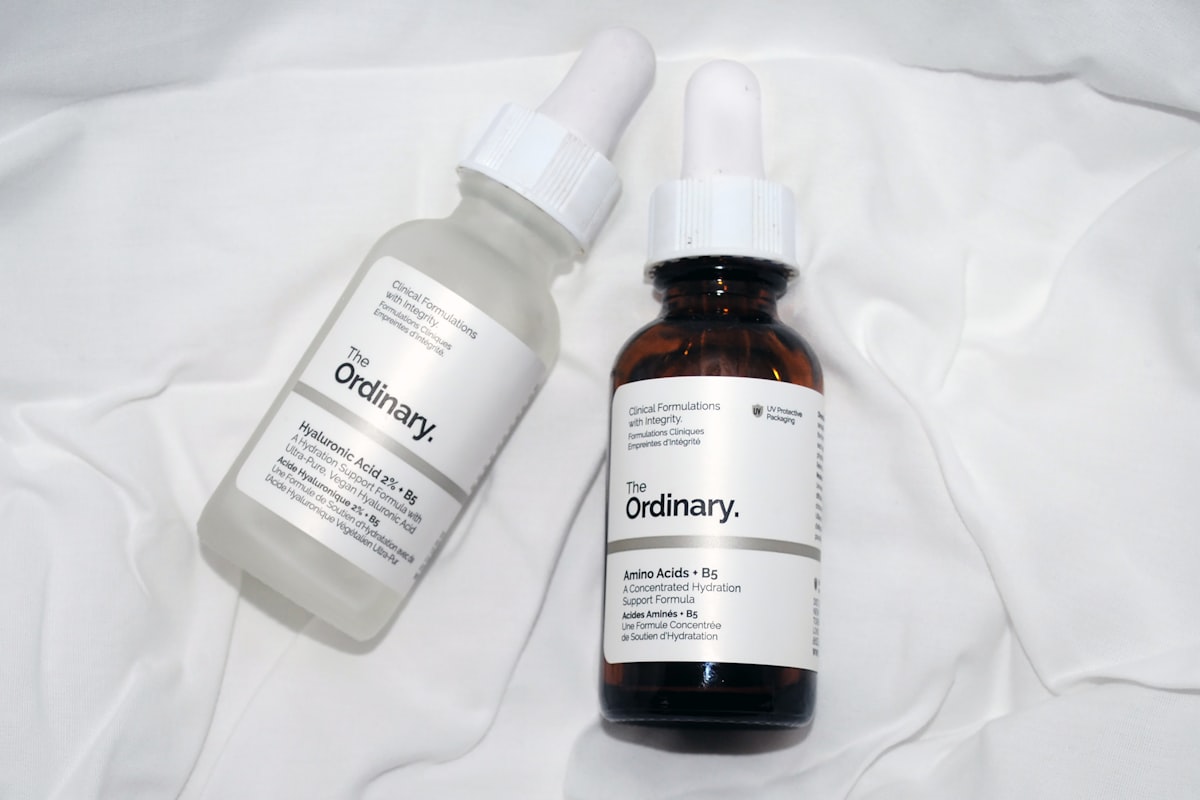
- Use a simple moisturiser with barrier-supporting ingredients such as ceramides, glycerin and hyaluronic acid.
- Apply a broad-spectrum SPF every morning to protect the healing barrier.
- Reintroduce actives slowly, one at a time, only once your skin feels comfortable again.
When the barrier is stronger, professional support can help you go further. Our gentle hydration and nourishing facials are designed to replenish and calm the skin, and once your barrier is genuinely settled, controlled pHformula skin resurfacing can be tailored to work with sensitive, reactive skin rather than against it. We always resurface, never strip, and every plan starts with a consultation.
A quick example from the treatment room
A client came in with redness, flaking and stinging that had appeared over a couple of months. She was cleansing twice a day with a foaming wash, using a vitamin C serum each morning, a retinol at night and exfoliating three times a week. Her skin was not oily or ageing, it was overworked.
We paused the actives, moved her to a cream cleanser and a ceramide moisturiser, and added daily SPF. Within a few weeks the stinging had eased and the redness had calmed. From there we reintroduced one active at a time. Her routine ended up simpler than when she started, and that is often the point.
The short version
A damaged skin barrier is a weakened outer layer that leaves skin dry, red and reactive, and it is repaired by simplifying your routine, moisturising with barrier-supporting ingredients and protecting with SPF while it rebuilds.
Frequently asked questions
How long does it take to repair a damaged skin barrier?
Many people notice their skin feeling calmer within two to four weeks of simplifying their routine. A more compromised barrier can take a couple of months, and results vary depending on your skin and what caused the damage in the first place.
Can I still exfoliate with a damaged skin barrier?
No, it is best to pause all exfoliating while the barrier repairs. Scrubs and acids remove the protective lipids your skin is trying to rebuild, so give them a rest and reintroduce them slowly once your skin feels comfortable again.
Is a damaged skin barrier the same as sensitive skin?
Not quite. Sensitive skin is often something you are born with, while a damaged barrier is usually something that has happened to previously settled skin. Our sensitive skin guide explains how to tell the difference and what each one needs.
What ingredients help repair the skin barrier?
Ceramides, glycerin, hyaluronic acid, niacinamide and gentle plant oils all work to support and rebuild the barrier. Keep the routine simple, and avoid fragrance and strong actives until your skin has settled.
Can pHformula resurfacing help sensitive, barrier-damaged skin?
Once your barrier is genuinely settled, yes, it can be tailored to reactive skin. pHformula is controlled skin resurfacing, not a peel, and it is designed to work with the skin. We assess your barrier first at a consultation before recommending anything.
If your skin has become red, dry or reactive and you are not sure where to start, we would love to help. Book a consultation with Ann, Kirstie or Linda and we will look at your barrier together and build a gentle plan around your skin.