
If your skin stings, flushes or feels tight for no clear reason, the issue is often your skin barrier rather than your skin type. Sensitive skin is usually skin whose protective barrier has been worn down, and the good news is that a worn barrier can be calmed and rebuilt with the right, gentler approach.
This is one of the most common concerns we hear in the treatment room at Skin Essentials, our boutique clinic on Queen Street in St Marys. Below, Ann, Kirstie and Linda walk you through what a sensitive skin barrier actually is, what wears it down, and how to help it recover, calmly and over time.
What is the sensitive skin barrier?
Your skin barrier is the outermost layer of your skin, a mix of skin cells and natural oils that holds moisture in and keeps irritants out. When people talk about a sensitive skin barrier, they usually mean this layer has become compromised, so water escapes more easily and everyday products and weather feel harsher than they should.
Think of it as a brick wall. The skin cells are the bricks, and the natural fats, ceramides and oils are the mortar that seals the gaps. When the mortar is depleted, the wall develops tiny gaps, and that is when skin starts to feel dry, reactive and easily upset.
What are the signs of a damaged skin barrier?
A damaged skin barrier tends to show up as tightness, redness, stinging when you apply products, flaking, and skin that suddenly reacts to things it used to tolerate. You may also notice more breakouts or a rough, dehydrated feel that no amount of moisturiser seems to fix.
Here are the signs we most often see paired with what they usually point to:
| What you notice | What it often means |
|---|---|
| Tightness after cleansing | Cleanser is too stripping for your barrier |
| Stinging when products go on | Barrier gaps letting active ingredients in too fast |
| Redness and warmth | Inflammation sitting close to the surface |
| Flaking or rough patches | Moisture escaping faster than skin can hold it |
| New reactions to old products | A barrier that has tipped from resilient to reactive |
If your skin shows several of these at once, it is worth slowing down and simplifying before you add anything new. A short consultation can help you work out which signs are barrier related and which may need a different kind of care.
What weakens the skin barrier in the first place?
The skin barrier is most often weakened by over-cleansing, too many strong active ingredients at once, and environmental stress like wind, heat and sun. Age, hormones and genuinely sensitive skin play a part too, but daily habits are usually where the real damage builds up quietly over time.
Common culprits we talk through with clients include:
- Cleansing too often, or with hot water and foaming, stripping formulas.
- Layering several exfoliating acids or retinoids without rest days.
- Scrubbing with harsh physical exfoliants or rough cloths.
- Skipping sun protection, so daily light exposure keeps inflammation simmering.
- Chasing every new product instead of giving skin time to settle.
None of this means you have done something wrong. Most barrier damage comes from trying to do more for your skin, not less, which is why the fix is often about paring back.
How do you calm and strengthen your skin barrier?
You calm and strengthen your skin barrier by simplifying your routine, cleansing gently, and consistently supplying the ingredients your barrier is built from, then protecting it from daily stress. Recovery is about repetition and patience rather than any single product, and results vary from person to person.
A gentle barrier-support routine usually looks like this:
- Cleanse once or twice a day with a soft, non-foaming cleanser and lukewarm water.
- Pause strong actives such as high-strength acids and retinoids while your skin settles.
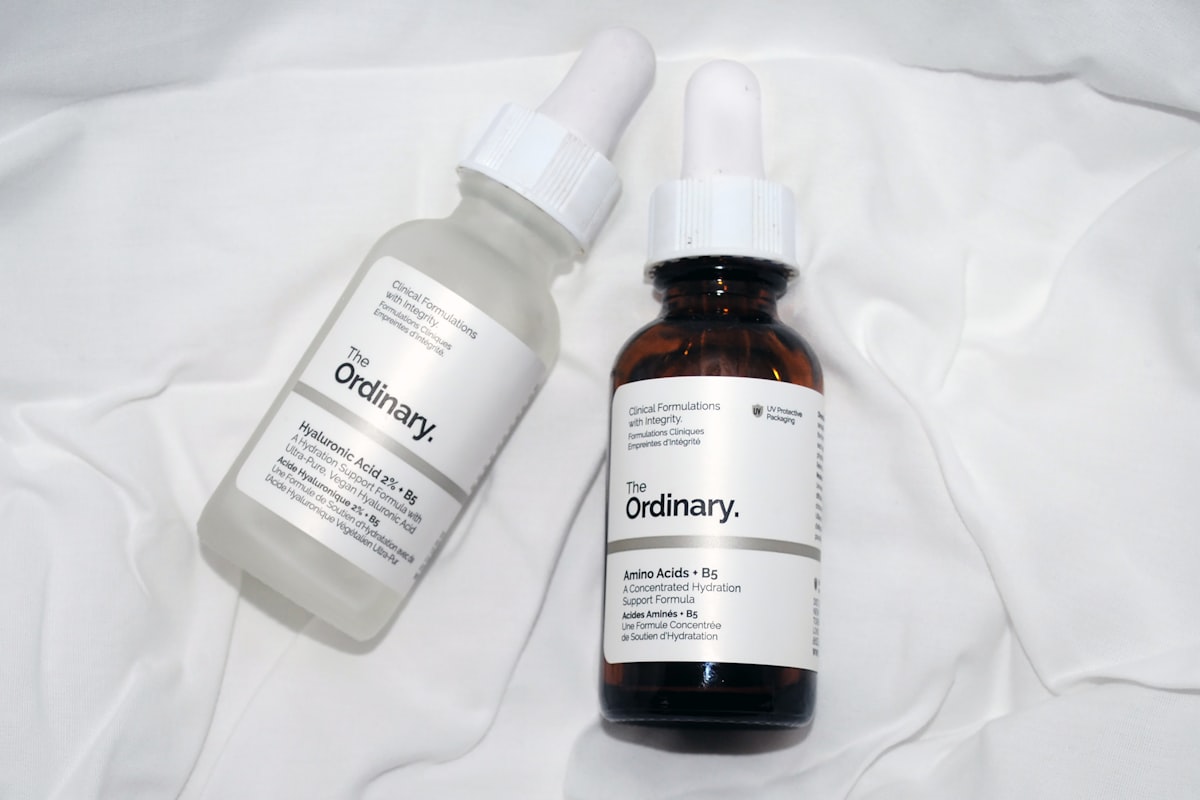
- Replenish the mortar with a moisturiser containing ceramides, glycerin, squalane or hyaluronic acid.
- Support hydration with a hydrating serum before your moisturiser if skin feels tight.
- Protect every morning with a broad-spectrum SPF, the single most protective barrier habit there is.
- Reintroduce actives slowly, one at a time, only once your skin feels comfortable again.
For many people, a few weeks of this calmer approach is enough to see skin settle. If yours does not, or if redness and reactivity are persistent, that is the point to have your skin looked at properly rather than layering on more.
Which ingredients help repair the skin barrier?
The most helpful barrier-repair ingredients are ceramides, fatty acids, cholesterol, glycerin, hyaluronic acid, squalane and soothing agents like niacinamide and panthenol. These either rebuild the skin barrier directly or draw in and hold the water it needs to function, which is exactly what compromised skin is missing.
| Ingredient | What it is designed to do |
|---|---|
| Ceramides | Replace the natural fats that seal the barrier |
| Glycerin and hyaluronic acid | Attract and hold water in the skin |
| Squalane | Softens and reinforces the surface without heaviness |
| Niacinamide | Works to calm redness and support barrier function |
| Panthenol | Soothes and helps skin feel more comfortable |
You do not need all of these in separate products. A well-formulated moisturiser often combines several, and a professional recommendation helps you avoid buying five things when two would do. Our custom hydration and nourishing facials are built around exactly this kind of gentle, barrier-first support.
Can you still have treatments with a sensitive skin barrier?
Yes, you can still have professional treatments with a sensitive skin barrier, but the order matters, and barrier repair usually comes first. Once your skin is calmer and more comfortable, gentler in-clinic options can support hydration and strength, and any resurfacing is introduced slowly and only when your skin is ready.
In the clinic, we tend to start sensitive skin with calming, hydrating and strengthening treatments rather than anything intensive. Options such as LED light therapy are designed to support the skin gently, and where skin resurfacing is appropriate later, our professional-only pHformula skin resurfacing is a controlled resurfacing approach, not a peel, tailored to what your barrier can comfortably handle.
Because every skin is different, the right starting point is genuinely individual. This is why every treatment with us begins with a consultation, so your plan is built around your skin rather than a fixed menu, and nothing is rushed.
How long does it take to repair the skin barrier?
A mildly compromised skin barrier often feels noticeably calmer within two to four weeks of gentler care, while more significant barrier damage can take several months of consistency to fully settle. Skin renews itself on roughly a monthly cycle, so patience and repetition matter more than any quick fix, and results vary.
The most common reason recovery stalls is doing too much too soon, reintroducing strong actives the moment skin feels better and tipping it back into reactivity. Slow and steady genuinely wins here. If you are unsure whether your skin is ready for the next step, it is always fine to ask us first. You may also find our guide on calming persistent facial redness a helpful next read.
Key takeaways
- Sensitive skin is often a worn skin barrier rather than a permanent skin type, and it can be rebuilt.
- Tightness, stinging, redness and new reactions are the classic signs of a compromised barrier.
- Over-cleansing and too many strong actives are the most common causes.
- Simplify, cleanse gently, replenish with ceramides and hydration, and protect with daily SPF.
- Barrier repair comes before resurfacing, and pHformula is resurfacing, never a peel.
- Expect a few weeks to a few months, results vary, and every plan starts with a consultation.
Frequently asked questions
Is sensitive skin the same as a damaged skin barrier?
Not always, but they overlap closely. Some people are naturally more reactive, while for many others sensitivity is a worn or damaged barrier that can be calmed and strengthened with gentler care over time.
Should I stop using active ingredients if my barrier is damaged?
Usually yes, at least for a while. Pausing strong acids and retinoids gives your barrier space to recover, and you can reintroduce them slowly, one at a time, once your skin feels comfortable again.
Can pHformula be used on sensitive skin?
Often it can, but only once your barrier is calm and after a consultation. pHformula is a controlled skin resurfacing approach, not a peel, and we tailor whether and when it suits your skin to you personally.
Why does my skin barrier keep getting worse?
The most common reason is doing too much. Frequent cleansing, layering several actives and skipping SPF quietly wear the barrier down, so simplifying your routine is often what finally lets it recover.
Do I need a professional treatment, or can I fix my barrier at home?
Many mild cases settle with a simpler home routine alone. If redness or reactivity persists after a few weeks, a professional assessment helps identify what is really going on and what your skin needs next.
If your skin feels sensitive, reactive or just not itself lately, you do not have to work it out on your own. Book a consultation with our team at Skin Essentials in St Marys, and we will build a calm, gentle plan around your skin. You are also welcome to get in touch with our St Marys clinic for a chat first.