What is skin resurfacing?
Skin resurfacing is a professional treatment that gently renews the outer layers of your skin, encouraging fresher cells underneath. It works to soften texture, even tone and support the skin barrier over a course. Results vary, and every plan starts with a consultation.
Think of it as guiding your skin through its own natural renewal, in a controlled and considered way. Rather than forcing a quick change, resurfacing supports the process your skin already runs, so the skin that comes through looks smoother and feels healthier over time. Because it is a professional treatment, it is always tailored to your skin during a consultation first.
How does skin resurfacing work?
Skin resurfacing works by prompting your skin to shed tired surface cells and rebuild underneath. Your skin naturally renews itself roughly every four weeks, but that cycle slows with age, sun exposure and daily stress, which can leave the surface looking dull, uneven or rough. A resurfacing treatment nudges that renewal along in a measured way.
At Skin Essentials, we use pHformula, an advanced system of controlled resurfacing. To be clear, pHformula is a resurfacing treatment, not a peel. Where an old-style approach simply strips the surface, controlled resurfacing works with your skin, calming and supporting the barrier while it renews. That difference matters most for sensitive or reactive skin, which is exactly the skin that older methods often upset.
Every treatment is built around your skin after a consultation, so the strength and pace suit you rather than a fixed menu. If you would like the full picture of how it fits your concerns, our complete guide to skin resurfacing in Western Sydney walks through it in more detail.
What skin resurfacing can help with
Skin resurfacing is designed to help with the concerns that show up on the surface and in the tone of your skin. It is not a fix for everything, and part of a good consultation is being honest about what will help and what will not.
Depending on your skin, a tailored course is often designed to help with:
- uneven texture, roughness and a dull-looking surface
- the look of pigmentation and uneven tone
- congestion and the look of blemish-prone skin
- early signs of ageing, as part of an age management plan
- overall radiance and how smooth your skin feels
How much change you notice depends on your skin, your concern and how consistent you are with homecare between visits. Some clients pair resurfacing with our custom hydration and nourishing facials to keep the skin comfortable and supported along the way.
What a resurfacing session looks like
Here is a typical example, without naming anyone. A client comes in bothered by rough texture and a few patches of uneven tone after years of Sydney sun. Rather than book them straight into a treatment, we start with a consultation to look at their skin, talk through their routine and set honest expectations.
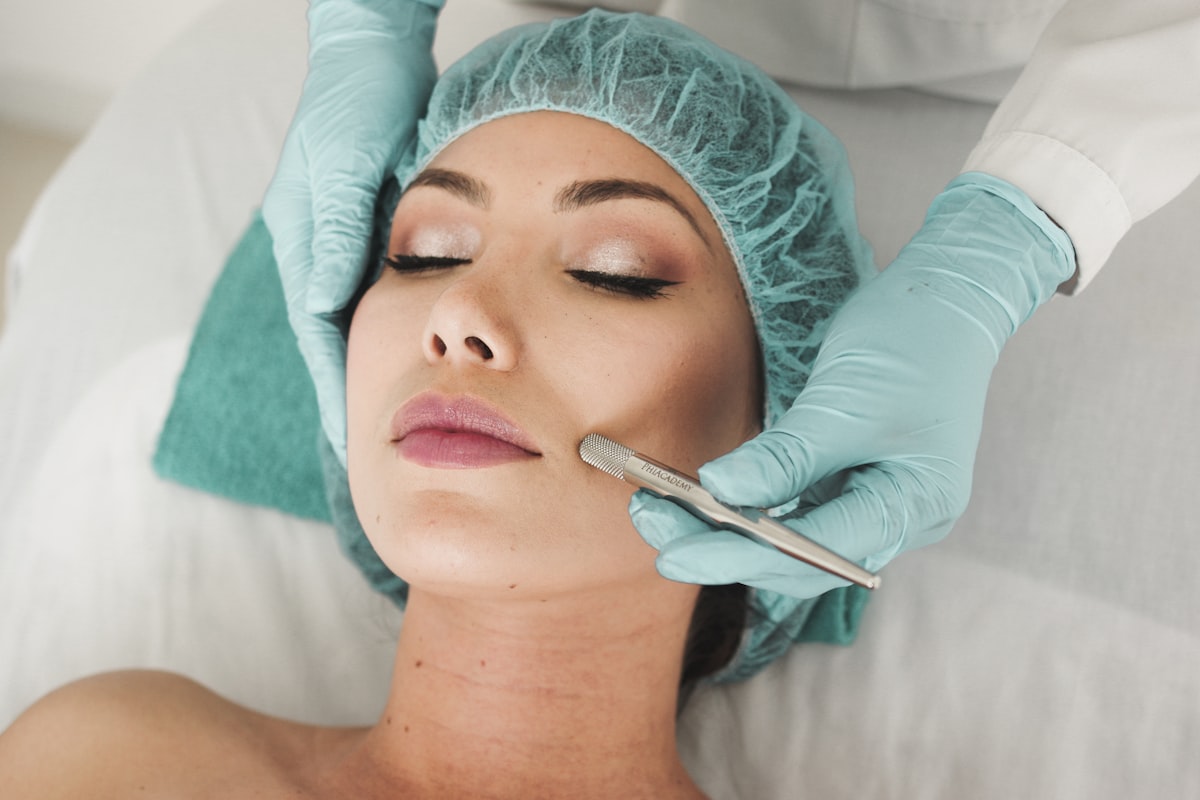
From there we might recommend a short course of pHformula resurfacing, spaced a couple of weeks apart, with simple homecare in between. Each session is calm and quick. We cleanse, apply the resurfacing formula in controlled layers, and finish with soothing, protective products. Most clients describe a mild warmth rather than pain, and any tightness or light flaking usually settles within a few days. Over the course, the aim is skin that looks fresher and feels smoother, though the exact outcome always varies from person to person.
Types of skin resurfacing
Resurfacing is a broad term, and different methods suit different skin. This is a plain-English overview, not a recommendation. What suits you is decided in your consultation.
| Approach | How it works | Best thought of as |
|---|---|---|
| Controlled resurfacing (pHformula) | Renews the surface while supporting the skin barrier | A tailored, professional-only treatment, gentle enough to consider for sensitive skin |
| Mechanical resurfacing | Uses gentle physical exfoliation, such as hydrabrasion | A softer refresh for dull, congested-looking skin |
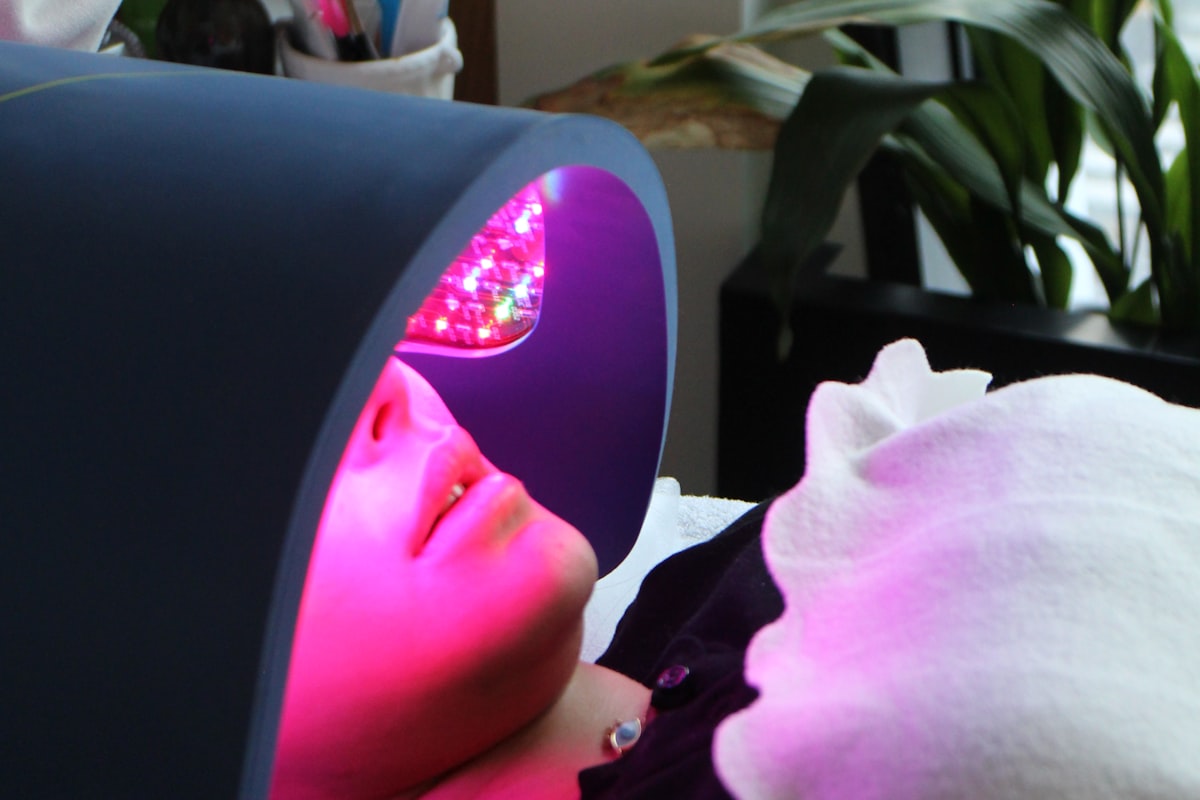
| Energy-based resurfacing | Uses devices like radio frequency or LED to support the skin | Often combined with other treatments in a plan |
| At-home acids | Lower-strength products used in your daily routine | Maintenance between professional visits, not a replacement |
At Skin Essentials we are the only clinic in Western Sydney to stock pHformula, so controlled resurfacing sits at the heart of what we do. If you are weighing it against your current routine, our sibling explainer on what pHformula is and how it differs is a good next read, and you can see the treatment itself on our pHformula resurfacing treatments page.
The short version: skin resurfacing gently renews your skin's surface to improve texture and tone over a tailored course, and with pHformula we resurface rather than peel, always starting with a consultation.
Frequently asked questions
Is skin resurfacing the same as a peel?
No. With pHformula we resurface, we do not peel. Controlled resurfacing works with your skin to renew the surface while supporting the barrier, rather than simply stripping it, which is why it can suit sensitive skin that older methods often upset.
Does skin resurfacing hurt?
Most clients describe a mild warmth rather than pain during a session. Everyone's skin is different, so we always check in with you as we go, and your consultation is where we set expectations for how your skin is likely to feel.
How many sessions will I need?
It varies, and resurfacing is usually best as a short tailored course rather than a one-off. The number of sessions and the spacing depend on your skin and your concern, which is exactly what we map out together at your consultation.
Is there any downtime?
Often very little, though it depends on the treatment and your skin. Some clients notice light tightness or flaking that settles within a few days. We will always talk you through what to expect and how to care for your skin afterwards.
Is skin resurfacing safe for sensitive skin?
It can be, and controlled resurfacing is often chosen precisely because it supports the skin barrier while it renews. That said, sensitive skin needs a careful, personalised approach, so we assess your skin properly at a consultation before recommending anything.
Not sure where to start? Come in for a calm chat about your skin and we will build a plan around it, with no pressure. You can book a consultation with our team whenever you are ready.