What causes hyperpigmentation?
Hyperpigmentation happens when your skin makes too much melanin, the pigment that gives skin its colour, in one area. That extra melanin is usually triggered by sun exposure, inflammation (like a breakout or a scratch), hormonal shifts, or a mix of all three. The result is a patch that looks darker than the skin around it.
It is one of the most common concerns we talk through in the treatment room, so if you are noticing spots or uneven tone, you are in good company. Below we explain the main causes, how they show up, and what usually helps. For the bigger picture, see our complete guide to hyperpigmentation.
The four main causes of hyperpigmentation
Most pigmentation traces back to one of four triggers, and often more than one is at play at once. Knowing which is driving yours matters, because it shapes the plan we would build with you.
Sun exposure
Ultraviolet light is the single biggest cause. When your skin senses UV, it produces melanin to protect deeper layers, which is what a tan really is. Over years, that shows up as sun spots, freckling and a general unevenness, most often on the face, chest and backs of the hands. This is why daily sun protection sits at the centre of almost every pigmentation plan.
Inflammation and skin injury
When skin is irritated or injured, it can leave a darker mark behind as it heals. This is called post-inflammatory hyperpigmentation, and it is very common after acne, an insect bite, a scratch, or an aggressive treatment done without care. It tends to be more noticeable and longer lasting in deeper skin tones, so gentle handling matters.
Hormonal changes
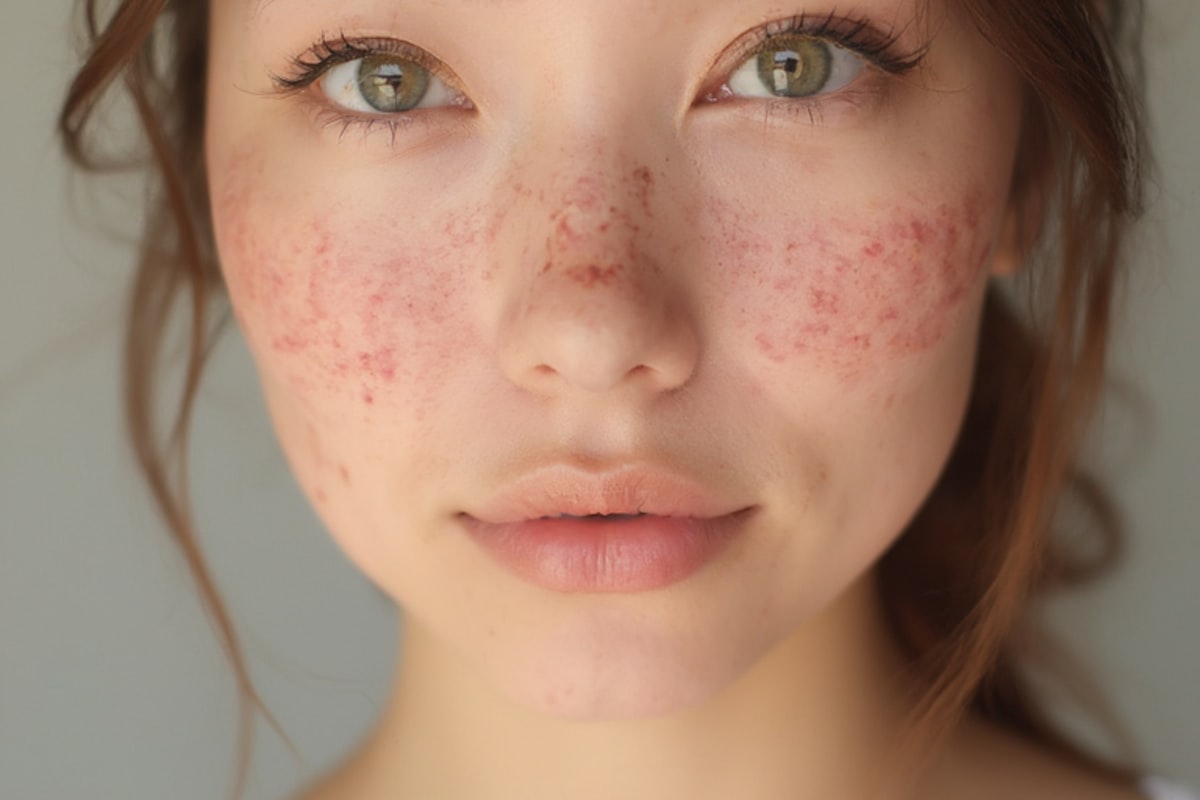
Shifts in oestrogen and progesterone can switch on extra pigment, usually as larger, blotchy patches across the cheeks, forehead and upper lip. This pattern is known as melasma, and it is often linked to pregnancy, the contraceptive pill, or hormone therapy. Melasma is stubborn and needs a patient, layered approach rather than a quick fix.
Other triggers
A few other things can play a part. Some medications make skin more sensitive to light, certain skincare ingredients cause irritation that leads to marks, and there is a genetic element too, so if pigmentation runs in your family you may be more prone to it. Age also plays a role, as years of accumulated sun exposure gradually surface.
How different types of pigmentation compare
Not all dark marks are the same, and telling them apart is the first step to treating them well. Here is a simple way to see the differences.
| Type | Main trigger | Where it shows | Typical look |
|---|---|---|---|
| Sun spots | UV exposure | Face, chest, hands | Small, defined brown spots |
| Post-inflammatory | Acne, injury, irritation | Anywhere skin was marked | Flat marks where a spot or graze was |
| Melasma | Hormonal changes plus UV | Cheeks, forehead, upper lip | Larger, blotchy, symmetrical patches |
| Freckles | Genetics plus UV | Cheeks and nose | Small, often darkening in summer |
What a consultation looks like
Imagine you come in with a scatter of darker marks across your cheeks that appeared after a run of breakouts last summer. In the treatment room, one of our therapists would look closely at the marks under good light, ask when they turned up, whether they change with the seasons, and what your sun habits and skincare routine look like. From there we might identify a mix of post-inflammatory pigmentation and early sun damage, then talk through a plan.
That plan is designed to fade the look of the marks gradually while protecting against new ones forming. For many clients it combines in-clinic treatments with a simple home routine and daily sun protection. Results vary from person to person, which is exactly why we never start with a set promise. We start by understanding your skin.
What helps with hyperpigmentation
There is no single answer, but a considered plan works to soften pigment over time. The usual building blocks are:
- Daily broad-spectrum sun protection, the non-negotiable that stops new pigment forming and protects your progress.
- Targeted skincare with ingredients that help regulate pigment and support even tone.
- Professional treatments such as pHformula skin resurfacing, which works to renew the surface and improve the look of pigmentation over a course.
- Gentle, brightening options like our custom hydration and nourishing facials to support overall tone and skin health.
- Patience, because pigment fades slowly and steady care beats anything rushed.
A quick, honest note on limits. If a spot changes shape, colour or size, or a new mark looks unusual, please have it checked by your GP or a dermatologist first. Skin health always comes before appearance.
The short version
Hyperpigmentation is extra melanin triggered mainly by sun, inflammation and hormones, and the right plan depends on which one is driving yours.
Frequently asked questions
Can hyperpigmentation go away on its own?
Some marks fade on their own, especially post-inflammatory pigment after a breakout, but it can take many months and daily sun protection makes a real difference. Sun spots and melasma tend to be more persistent and usually respond better to a considered treatment plan than to waiting.
Does hyperpigmentation come back after treatment?
It can, because the triggers do not disappear. Once pigment has improved, ongoing sun protection and a steady home routine are what protect your results. Melasma in particular is prone to returning with sun or hormonal changes, so maintenance is part of the plan rather than a sign anything went wrong.
Is pHformula resurfacing safe for pigmentation?
pHformula is a controlled skin resurfacing treatment, not a peel, and it is designed to be tailored to your skin and concern. For many pigmentation clients it forms part of a course, always after a consultation so we can assess suitability. You can read more on our pHformula resurfacing page.
Will treating dark skin cause more pigmentation?
Deeper skin tones are more prone to post-inflammatory pigmentation, so gentle, appropriate treatment matters more, not less. This is exactly why we assess your skin first and build a plan suited to it, rather than reaching for a one-size approach. Careful handling is the whole point.
How long does it take to see a difference?
Most people notice gradual change over a course of several weeks to a few months, depending on the type of pigmentation and how consistent the routine is. Pigment fades slowly by nature, so steady care and sun protection matter more than speed. Results vary from person to person.
If uneven tone or dark spots are bothering you, we would love to take a proper look. Book a consultation and we will build a plan around your skin, gently and at a pace that suits you.