Skin resurfacing aftercare, the short answer
Good skin resurfacing aftercare comes down to three things in the first week: keep the skin clean and simple, protect it from the sun every day, and hold off on anything active or abrasive until your therapist says otherwise. That is what protects your results and helps your skin settle evenly.
After a pHformula resurfacing treatment, your skin is renewing itself, so the way you care for it at home matters as much as the treatment in the room. Below is how we guide our clients through the days that follow, and why each step is worth it. Every plan is personalised, so treat this as the general shape and follow the specific advice your therapist gives you.
What to do in the first 48 hours
For the first two days, keep everything gentle and minimal. Your skin has been resurfaced, which means the surface is working to renew, and the less you interfere with that process the better it settles.
Cleanse with lukewarm water and the mild cleanser your therapist recommends, pat dry rather than rubbing, and apply only the homecare products you were sent home with. These are chosen to support recovery, not to challenge the skin. Skip makeup where you can, and let the skin breathe.
- Use lukewarm, not hot, water when you cleanse.
- Apply prescribed homecare exactly as directed, no more and no less.
- Leave any flaking or shedding alone, it is part of the renewal.
- Avoid heat, saunas, hot yoga and vigorous exercise that brings on heavy sweating.
Sun protection is the non-negotiable step
Daily sun protection is the single most important part of skin resurfacing aftercare. Freshly resurfaced skin is more sensitive to UV, and sun exposure is the fastest way to undo the work and risk uneven pigmentation.
Use a broad-spectrum SPF every morning, reapply through the day if you are outdoors, and add a hat and shade where you can. This is not just for the first week. Consistent daily protection is what keeps your results looking their best over the months that follow, which is why we talk about it at every consultation. For guidance from a national authority, the Cancer Council sun protection advice is a sound reference.
What to hold off on, and when to reintroduce
Pause anything active or abrasive until your skin has fully settled. That means no exfoliating acids, retinol, scrubs or strong actives at home until your therapist confirms your barrier is ready, usually after the initial recovery window.
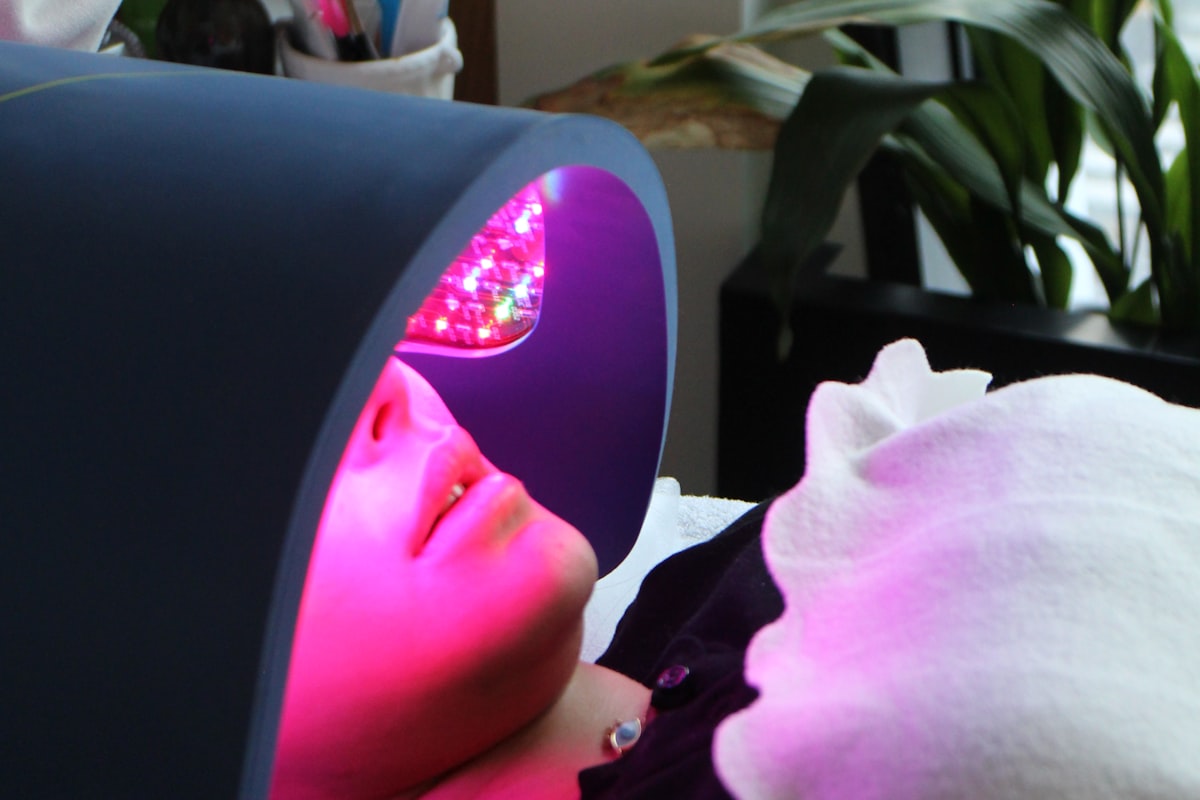
Reintroduce products one at a time rather than all at once, so you and your therapist can see how your skin responds. If you have other treatments planned, such as LED light therapy to support skin recovery or a gentle hydrating facial, your therapist will sequence them around your resurfacing so nothing competes.
A typical week, at a glance
| Timeframe | What to expect | What to do |
|---|---|---|
| Day 1 to 2 | Skin may feel tight, warm or look slightly pink | Cleanse gently, apply homecare, SPF daily, no makeup if possible |
| Day 3 to 5 | Light flaking or shedding for some skin types | Do not pick, keep hydrated, continue SPF |
| Day 6 to 7 | Skin starts to feel more comfortable and settled | Reintroduce products slowly once cleared by your therapist |
A real example from the treatment room
A client came in before a family event, keen for her skin to look its best. She had a course of pHformula resurfacing planned and, understandably, wanted to layer her usual retinol back in straight away to speed things along. We talked her through why that would work against her, and instead set a simple routine: gentle cleanser, prescribed homecare, SPF every morning, and retinol paused for a week.
She followed it, her skin settled evenly, and we reintroduced her actives together at her next visit. Nothing dramatic, just steady care that protected the result. That is usually how good aftercare looks, calm and consistent rather than rushed.
When to call us
Some pinkness, tightness or light flaking is normal. If you notice anything that feels beyond that, such as ongoing discomfort, unusual swelling or signs of irritation, get in touch so we can check in. It is always better to ask, and we would rather hear from you than have you wonder.
If a concern points to something outside our scope, we will tell you honestly and suggest you see your GP or a dermatologist. Results vary from person to person, and every plan starts with a consultation, which is why we keep the conversation going after your treatment, not just before it.
The short version
Keep it simple and gentle, protect your skin from the sun every single day, and hold off on actives until your therapist gives the go-ahead. That is skin resurfacing aftercare that protects your results.
Frequently asked questions
How long does skin take to recover after resurfacing?
Most skin feels settled within about five to seven days, though this varies with your skin and the depth of your treatment. You may notice tightness or light flaking in the first few days, which is part of the renewal, and your therapist will give you a timeframe tailored to your plan.
Can I wear makeup after a skin resurfacing treatment?
It is best to skip makeup for the first day or two so your skin can renew undisturbed. After that, and once your therapist confirms your skin is ready, you can reintroduce a gentle, non-irritating base. When in doubt, check with us first.
Is pHformula resurfacing painful afterwards?
Most clients describe a feeling of tightness or warmth rather than pain, which eases over the first day or two. pHformula is a controlled resurfacing treatment, not a peel, and your therapist tailors the intensity to your skin and comfort during your consultation.
What should I avoid after skin resurfacing?
Avoid sun exposure, heat and heavy sweating, and pause exfoliating acids, retinol and scrubs until your therapist clears them. Picking or peeling any flaking skin is the main thing to resist, as it can affect how evenly your skin settles.
When can I book my next resurfacing session?
Resurfacing is usually done as a course, with sessions spaced to suit your skin, and your therapist will map this out at your consultation. Following your aftercare well between visits is what helps each session build on the last.
Ready when you are
Not sure where to start, or want your aftercare mapped out properly? Book a consultation with our team and we will build a plan around your skin. You can also read more in our complete guide to skin resurfacing, learn about pHformula resurfacing at Skin Essentials, or explore what makes pHformula different from a peel.