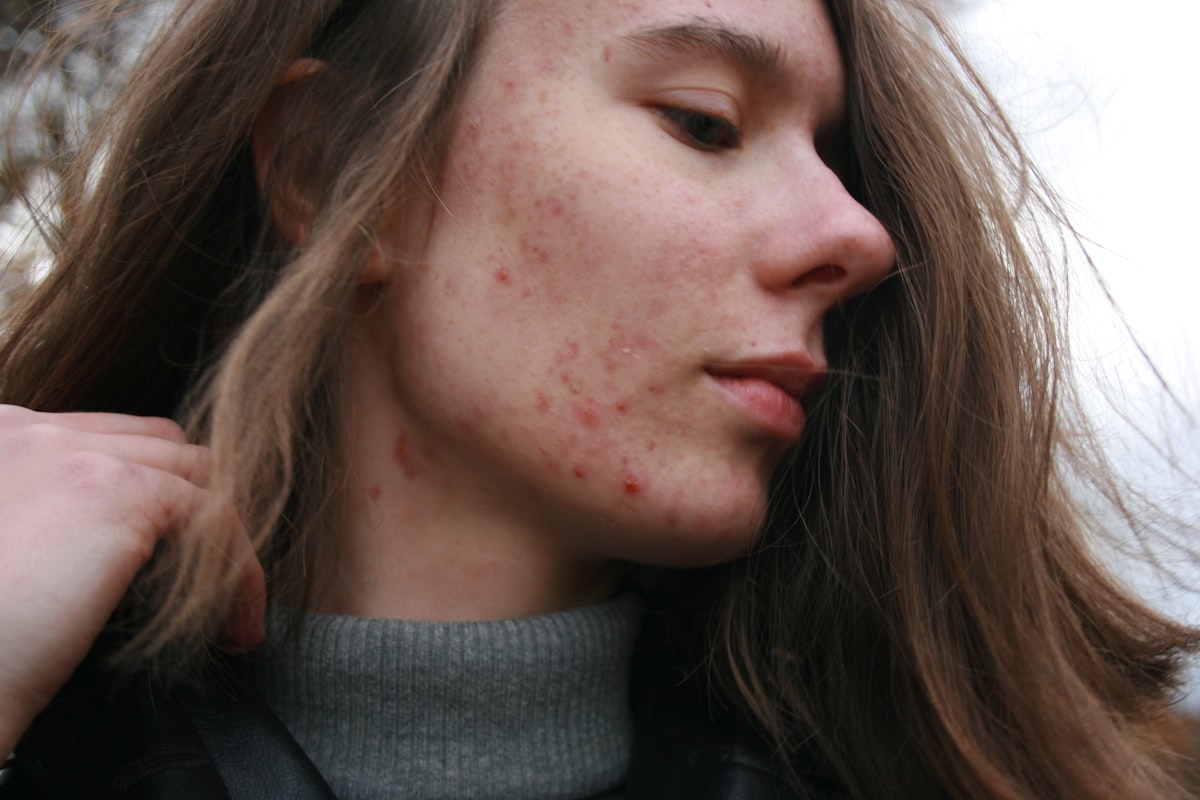
Is skin resurfacing safe for sensitive skin?
Yes, skin resurfacing can be safe for sensitive skin when it is done gently, at the right strength and after a proper consultation. pHformula resurfacing works with your skin barrier rather than stripping it, so a calm, phased approach is designed to suit reactive and easily irritated skin.
That said, sensitive skin asks for extra care. The honest answer is that it depends on what is driving the sensitivity, how your barrier is coping right now, and whether we start slowly. This is exactly why every treatment with us begins with a consultation.
Why sensitive skin needs a gentler approach
Sensitive skin usually means the skin barrier, the outer layer that holds moisture in and irritants out, is compromised. When that barrier is struggling, skin reacts more easily to heat, actives and friction. So before any resurfacing, the first job is often to understand and support that barrier.
Traditional resurfacing sometimes worked by causing surface injury and visible shedding. pHformula takes a different route. It is controlled resurfacing built around PH-DVC, a delivery system designed to work at a considered depth without the aggressive stripping people often fear. That control is what makes it a sensible option to discuss for reactive skin, always tailored to you.
If you would like the fuller picture of how resurfacing works across different skin types, our complete guide to skin resurfacing is a good place to start.
How we assess whether it suits your skin
The short answer is that we look, we listen, and we start conservatively. Sensitivity comes in many forms, and each one changes the plan.
During a consultation we talk through things like:
- What your sensitivity feels like, and what tends to trigger it
- Whether the barrier needs repair and strengthening first
- Any conditions such as rosacea, eczema or a recent reaction
- Products and actives you are already using at home
- How your skin has responded to treatments in the past
From there we decide whether resurfacing is the right next step, whether we begin with barrier support, or whether a gentler treatment suits you better for now. For some clients, a custom hydration and nourishing facial is the kinder starting point while the barrier settles.
What a careful plan can look like
Picture a client who comes in with redness across the cheeks, some flaking and a barrier that flares at the smallest change. She wants smoother, more even skin but has been burned by harsh treatments before, so she is understandably cautious.
Rather than resurfacing straight away, we might spend a few weeks calming and strengthening her barrier first, adjusting her home routine and letting the reactivity settle. Only once the skin is steadier would we introduce a low, controlled level of resurfacing, watching how she responds and building slowly from there. Results vary, and the plan stays hers, adjusted at every visit.
Sensitive skin, at a glance
| Concern | How we tend to approach it |
|---|---|
| Compromised barrier | Repair and strengthen first, resurface later |
| Redness and reactivity | Start low and slow, patch and monitor |
| Active flare or broken skin | Hold off, calm the skin, revisit at a follow up |
| Wants smoother texture | Controlled resurfacing once the barrier is steady |
Strength, spacing and frequency are always set to your skin, never to a fixed menu. Many plans build over a course of treatments, spaced to give your skin time to recover between visits.
The short version: skin resurfacing can be safe for sensitive skin when it is gentle, well timed and led by a consultation, and sometimes barrier repair comes first.
Frequently asked questions
Can I have skin resurfacing if I have rosacea or eczema?
Possibly, but only after we assess your skin in person and your condition is calm. Active flares usually mean we wait and support the barrier first. Resurfacing is always tailored, and for inflamed or broken skin we may refer you to a GP or dermatologist before we begin.
Will skin resurfacing hurt or leave my sensitive skin red?
Most clients feel a mild tingling or warmth rather than pain. Some short lived redness afterwards is normal, especially on reactive skin, and it usually settles quickly. We keep the strength gentle for sensitive skin and talk you through what to expect at your consultation.
How many sessions will I need?
It varies from person to person, so there is no fixed number. Many plans work best as a course of several treatments, spaced a few weeks apart, with strength adjusted as your skin adapts. We map out a realistic plan together once we have seen how your skin responds.
Is there any downtime with pHformula resurfacing?
Usually little to none, though sensitive skin can look pink or feel tight for a short while. Any flaking tends to be light. We will give you simple home care to support your barrier and keep you comfortable while your skin recovers.
What if my skin is too sensitive for resurfacing right now?
Then we simply start somewhere gentler. Barrier repair, hydration and the right home routine can do a lot on their own, and we can revisit resurfacing once your skin is stronger. There is never any pressure to rush.
If you are not sure whether resurfacing suits your skin, book a consultation and our team will build a plan around you. You can talk to Ann, Kirstie or Linda about your skin, or read more about our pHformula resurfacing treatments before you decide.