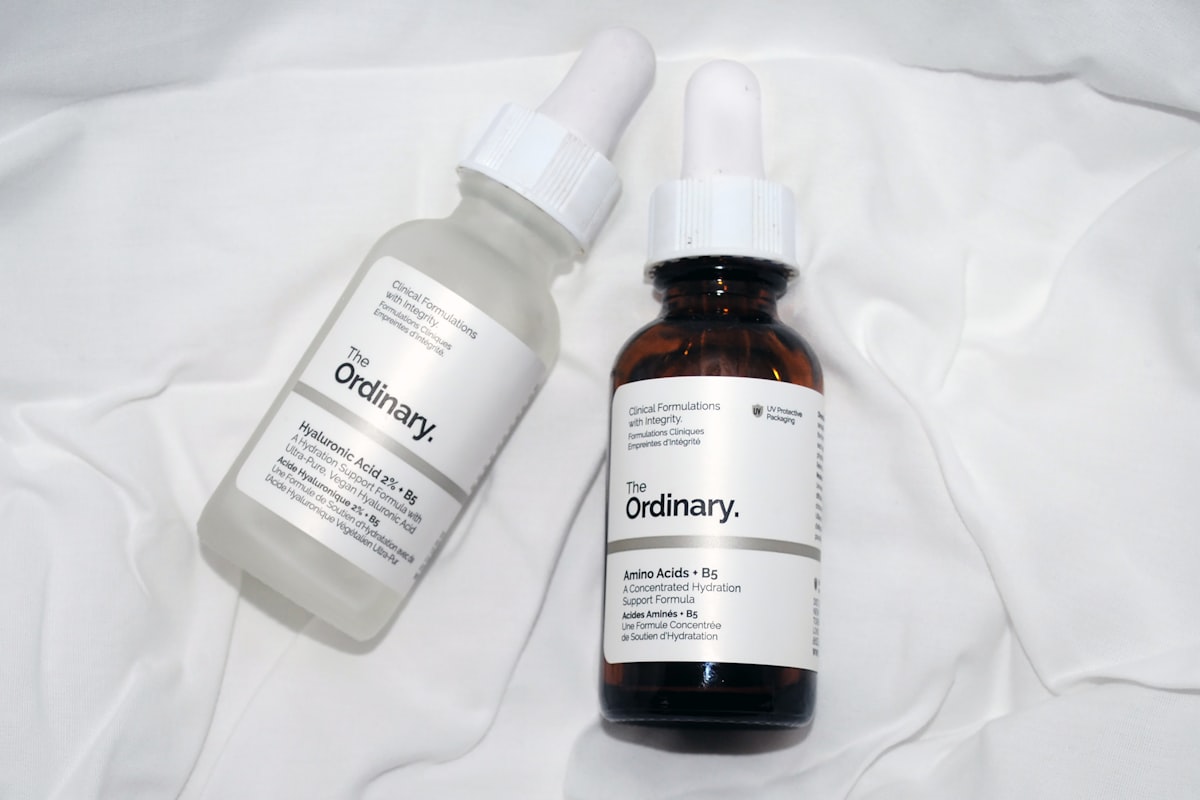
Professional vs over-the-counter acne treatments, in short
The main difference is depth and personalisation. Professional acne treatment is delivered by a trained therapist using clinical-grade products and devices matched to your skin, while over-the-counter options are gentler, general formulas you use at home. For many people the two work best together, guided by a consultation.
Neither approach is a quick fix, and results vary from person to person. What a professional plan adds is a therapist reading your skin in real time and adjusting as it changes.
What counts as an over-the-counter acne treatment?
Over-the-counter (OTC) acne treatments are the products you can buy without professional guidance, from a pharmacy or supermarket shelf. Think cleansers, spot gels and serums with ingredients like salicylic acid, benzoyl peroxide or low-strength niacinamide.
They are formulated to be safe for the widest possible range of skin, which is their strength and their limit. Because they cannot be tailored to you, the concentration is kept conservative, and one bottle is asked to suit oily, dry, sensitive and combination skin all at once. For mild, occasional breakouts, a consistent OTC routine is often a sensible place to start.
What makes a professional acne treatment different?
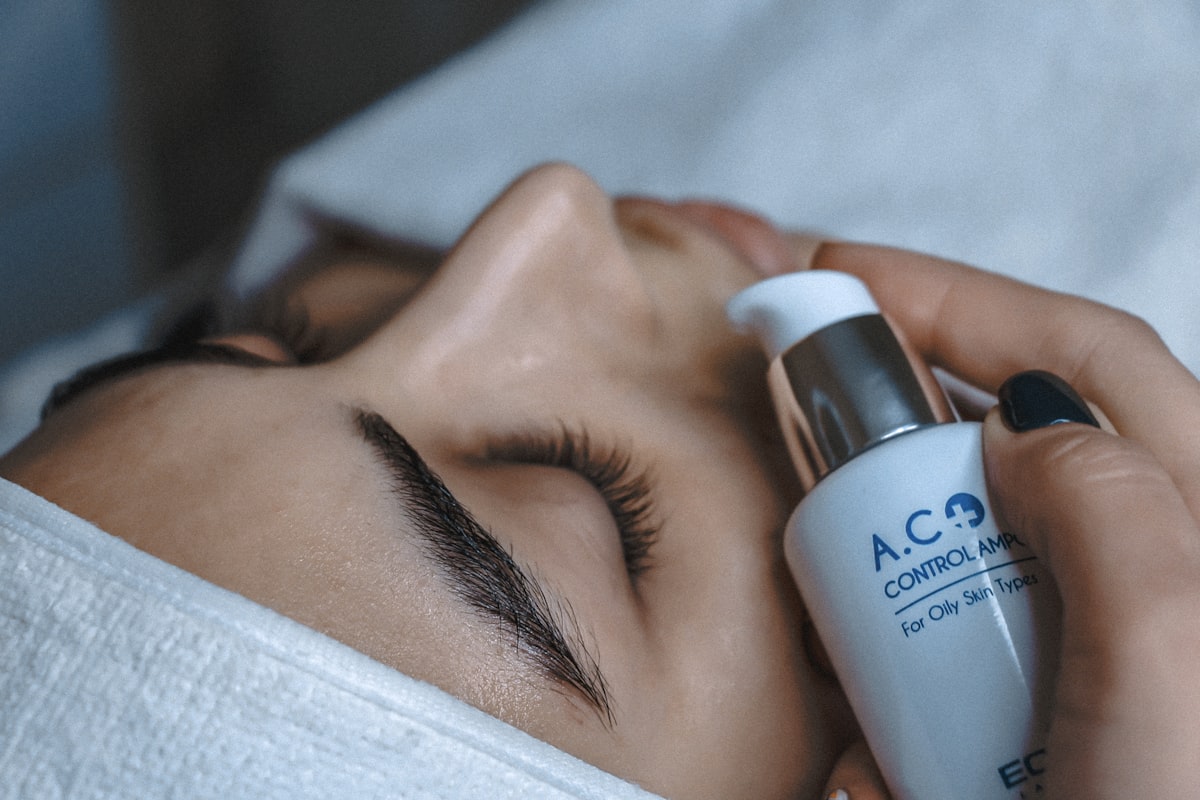
A professional acne treatment is planned and carried out by a qualified therapist who assesses your skin first, then chooses the strength, ingredients and devices to match it. That assessment is the part an OTC shelf cannot offer.
At Skin Essentials, an acne-focused plan might combine in-clinic pHformula skin resurfacing to work on congestion and post-breakout marks, with LED light therapy to help calm the skin. pHformula is a controlled resurfacing system, not a peel, and as the only clinic in Western Sydney that stocks it we are trained to use it at the right level for your skin. Every plan is paired with homecare, so what you do between visits supports what happens in the treatment room.
The honest part is this: professional treatment is not automatically better for everyone on day one. It is more precise, more adjustable and better suited to breakouts that home products have not shifted. Deeper, persistent or painful cystic acne may also need a GP or dermatologist, and we will tell you when that is the case.
How do you choose between them?
Start with how stubborn and how widespread your breakouts are, and how long you have been managing them on your own. Mild and occasional often responds to a steady home routine. Persistent, spreading or scarring acne is usually where a tailored professional plan earns its place.
Consider a woman in her late twenties who has used OTC washes and spot treatments for two years. Her breakouts settle briefly, then return along the jaw, and she is starting to notice marks left behind. In a consultation we would look at her skin and history, then build a plan that layers professional resurfacing and LED with a simpler, better-matched home routine, rather than adding yet another product on top of the last.
| Over-the-counter | Professional acne treatment | |
|---|---|---|
| Who guides it | You, on your own | A trained therapist, after assessing your skin |
| How tailored | General, one formula for many | Matched to your skin, adjusted over time |
| Strength | Conservative by design | Clinical-grade, used at the right level for you |
| Best for | Mild, occasional breakouts | Persistent, spreading or marking breakouts |
| Homecare | The whole plan | Part of a plan that includes in-clinic care |
For the bigger picture on what drives breakouts and how a course of treatment is structured, our complete guide to adult acne walks through it, and if hormones feel like part of your story, hormonal acne explained is a useful companion read.
The short version: over-the-counter products are a fair starting point for mild breakouts, while professional acne treatment adds a therapist, clinical-grade tools and a plan built around your skin for anything more stubborn.
Frequently asked questions
Can I use over-the-counter products and professional treatments together?
Yes, and for many people that combination works well. Your therapist will match your home routine to your in-clinic plan so the two support each other, rather than layering products that clash. Bring what you currently use to your consultation.
How many professional acne treatments will I need?
It depends on your skin, so there is no fixed number. Acne-focused plans are often structured as a course spaced a few weeks apart, then reviewed. We will give you an honest estimate at your consultation and adjust as your skin responds.
Is pHformula resurfacing the same as a peel?
No. pHformula is a controlled skin resurfacing system, not a peel. It is designed to work on congestion and the marks breakouts leave behind, at a strength your therapist selects for your skin. Results vary and every plan starts with a consultation.
Should I see a doctor instead of a clinic for my acne?
Sometimes, yes. Deep, painful or cystic acne, or breakouts that are not shifting at all, may need a GP or dermatologist. We are happy to tell you honestly when medical care is the better next step, and we can work alongside it.
Will professional treatment get rid of my acne for good?
No treatment can promise that, and we will never claim it. What a tailored professional plan is designed to do is help calm breakout-prone skin and improve its condition over time. Results vary from person to person, which is why we start with a consultation.
If you are not sure whether to keep going with home products or try something more tailored, come in for a chat. Book a consultation with our team at Skin Essentials and we will build a plan around your skin, with no pressure. You can talk to our St Marys team whenever you are ready.