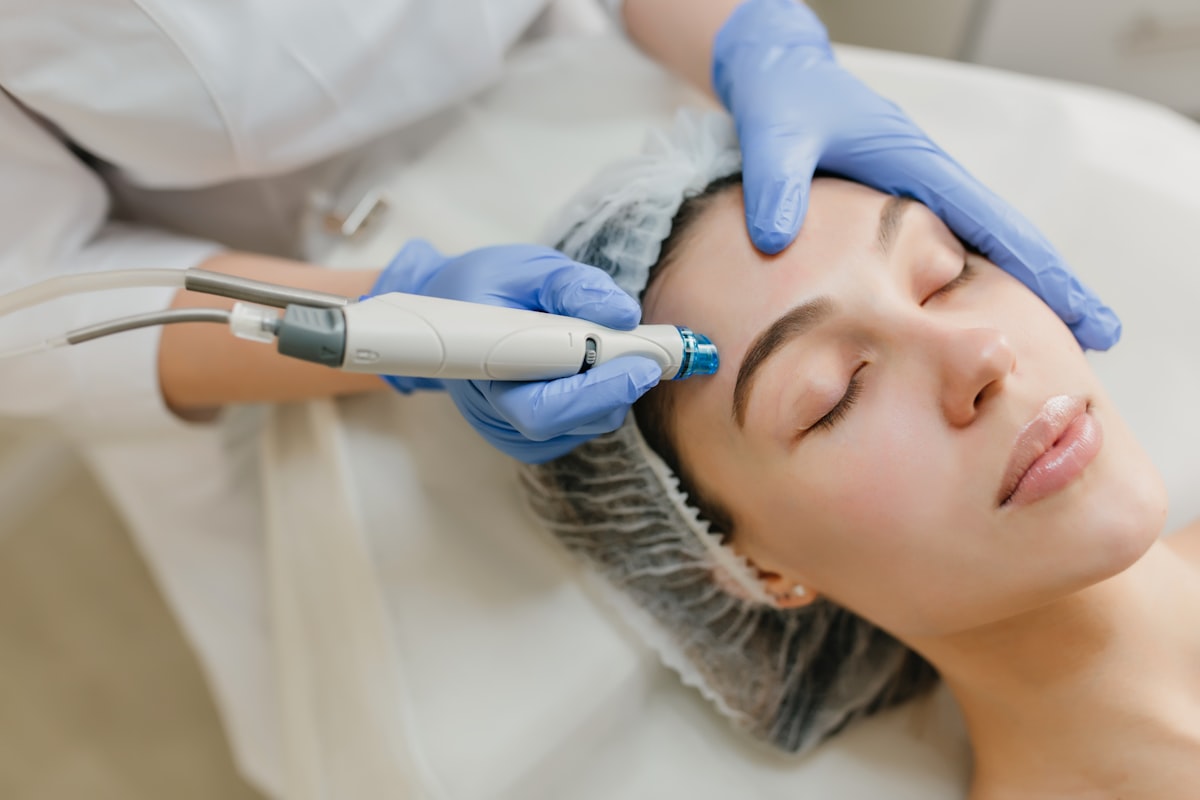
pHformula vs a chemical peel: the short answer
The main difference is how they work. A traditional chemical peel exfoliates by removing surface layers of skin, while pHformula resurfaces, using pure-form actives to encourage renewal and support the barrier rather than strip it. Results vary, and every plan starts with a consultation.
Both sit under the broad idea of treating the skin with acids, so it is easy to assume they are the same thing. They are not. Understanding the difference helps you choose what genuinely suits your skin, which is exactly the conversation we have with clients every day at our clinic in St Marys.
What a chemical peel does
A chemical peel applies an acid solution to the skin to lift and shed the outer layers, prompting fresh skin to surface underneath. Depending on strength, a peel can be superficial, medium or deep, and the deeper it goes, the more visible flaking and downtime you tend to see.
Peels have been used for decades and can be effective in the right hands. The trade-off is that the approach is largely about exfoliation, removing skin to reveal what is beneath. For some skin types, particularly sensitive or reactive skin, that stripping action can leave the barrier feeling vulnerable for a few days.
How pHformula resurfacing is different
pHformula is a controlled resurfacing system, not a peel. Rather than simply removing surface skin, it works to stimulate renewal in both the epidermis and the deeper dermis while keeping the barrier intact. The aim is to rebuild and regenerate, not to strip.
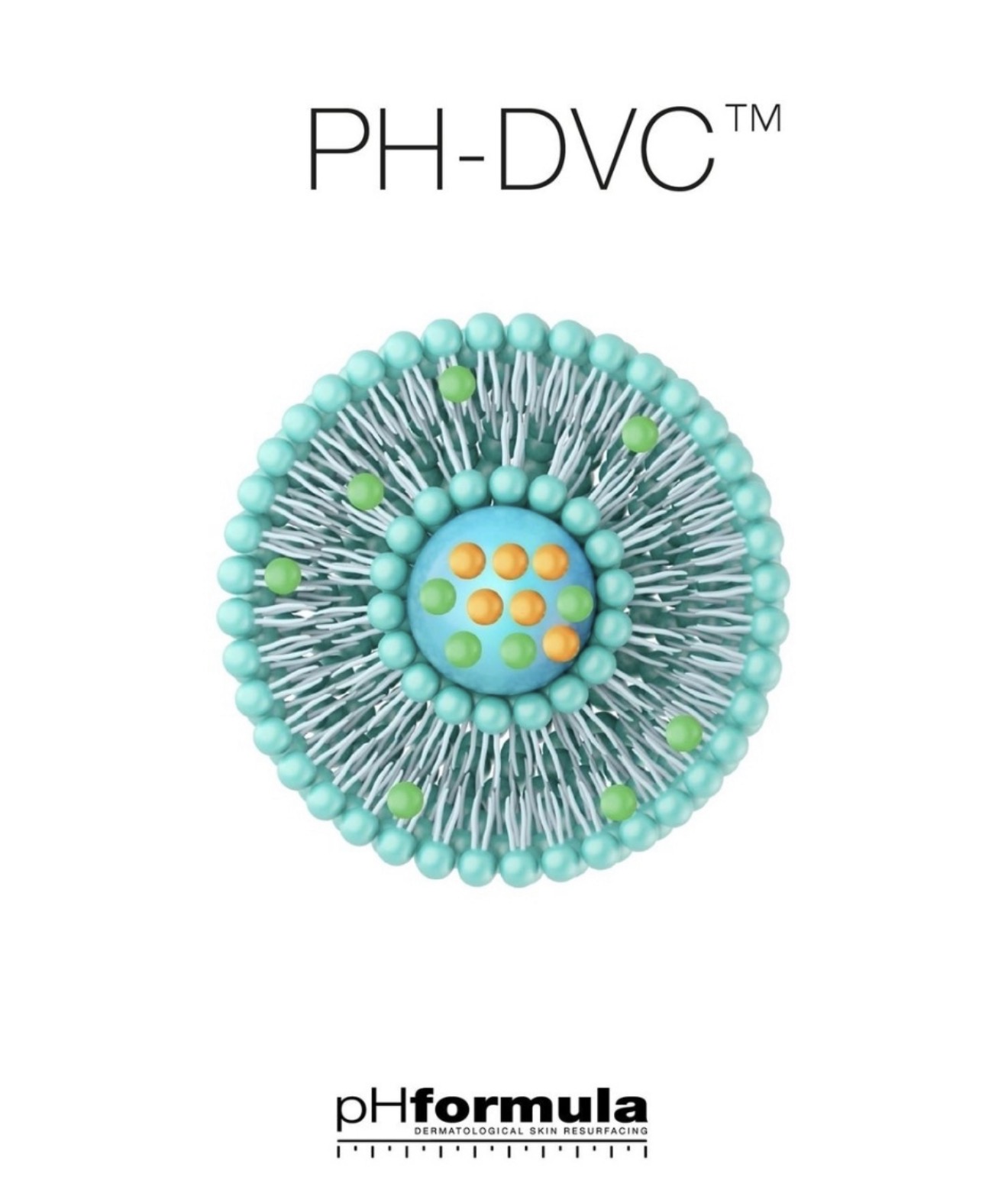
The engine behind this is PH-DVC(TM), pHformula's proprietary delivery complex. It carries pure-form actives such as alpha-keto acids, AHAs, BHAs, PHAs, retinol and niacinamide into the skin with a calibrated, controlled release, which is designed to give real results with minimal irritation and little to no downtime. You can read the full explanation in our guide to what pHformula is and how it works.
pHformula is also professional-only and highly personalised. It is built around four chronic skin concerns, chronic redness, acne, hyperpigmentation and ageing, and every program is customised to you. As the only clinic in Western Sydney to stock pHformula, we tailor each session to how your skin presents on the day.
pHformula vs chemical peel, side by side
| Traditional chemical peel | pHformula resurfacing | |
|---|---|---|
| Main action | Exfoliates, removes surface layers | Resurfaces, rebuilds from within |
| The barrier | Can be stripped or left vulnerable | Designed to be preserved and strengthened |
| Depth | Surface skin, epidermis | Both epidermis and dermis |
| Downtime | Often visible flaking or peeling | Minimal, little to no downtime |
| Approach | One method by strength | Individually customised each visit |
Which might suit your skin
Imagine someone who comes in frustrated with uneven tone and a few congested areas, but whose skin flushes easily and feels tight after strong products. A deeper peel could be too much for that reactive barrier. In a case like this, we would usually start with an pHformula resurfacing treatment, matched to their concern and adjusted gently over a course, so the skin is supported while it renews.
Before every pHformula session we run an S.P. sensitivity and permeability assessment. Sensitivity changes from visit to visit, so this quick check guides the safest, most effective protocol for your skin that day. If your skin barrier needs calming first, we may recommend a gentler starting point such as our custom hydration and nourishing facials before resurfacing.
There is no single right answer for everyone, which is why we never work from a fixed menu. What matters is choosing the approach that helps your skin, not the one with the strongest label.
The short version
The short version: a chemical peel exfoliates by removing skin, while pHformula resurfaces to rebuild and regenerate the skin while protecting the barrier. Results vary, so book a consultation and we will guide you to what suits you.
Frequently asked questions
Is pHformula a chemical peel?
No, pHformula is a controlled resurfacing system, not a peel. Instead of stripping surface skin, it works to stimulate renewal in the epidermis and dermis while keeping the barrier intact, using pure-form actives delivered through PH-DVC(TM).
Does pHformula resurfacing hurt or cause downtime?
Most clients feel a mild warmth or tingle during treatment rather than pain. pHformula is designed for minimal irritation and little to no downtime, though your experience depends on your skin and the protocol chosen at your consultation.
Is pHformula safe for sensitive skin?
pHformula is often well suited to sensitive and reactive skin because it supports the barrier rather than stripping it. There is a whole classification for chronic redness. Every session begins with an S.P. sensitivity assessment, so the protocol is matched to your skin that day.
How many pHformula sessions will I need?
It varies, as each program is customised to your concern and how your skin responds. Many concerns are treated over a course of sessions with matched homecare between visits. Your therapist will map out a realistic plan at your consultation.
Can I switch from chemical peels to pHformula?
Yes, many clients do. If a peel has left your skin feeling sensitised, we can assess your barrier first and, where suitable, ease you into pHformula resurfacing at a strength your skin can handle. Book a consultation and we will talk it through.
If you are weighing up your options, you do not have to decide alone. Book a consultation with Ann, Kirstie or Linda, and we will look at your skin properly and build a plan that is genuinely yours. You can get in touch with our team whenever you are ready.