The short answer on pHformula for rosacea
pHformula can suit rosacea-prone and redness-prone skin, because its C.R. (chronic redness) pathway is designed to calm reactivity and rebuild a weakened barrier rather than strip it. It is professional-only, every program is customised, and results vary, so it always starts with a consultation.
If your skin flushes easily, stings with active products or stays pink long after a warm shower, this is the pHformula pathway built with you in mind. Below we explain how it works, who it suits, and what a first visit looks like.
Why redness happens, and why the barrier matters
Rosacea-prone and sensitive skin usually shares one thread: a barrier that is struggling. When that outer layer is impaired, moisture escapes, irritants get in more easily, and the skin reacts with flushing, warmth and visible redness. Leading with harsh exfoliation on skin like this tends to make things worse, not better.
This is where pHformula works differently. Rather than a peel that strips the surface, pHformula uses controlled resurfacing to encourage renewal while preserving the barrier. The aim is calmer, stronger skin over time, not a quick, aggressive reset that leaves you raw.
How pHformula approaches chronic redness
pHformula is a controlled skin resurfacing system, and one of its four classifications is C.R. (chronic redness), created specifically for rosacea-prone and reactive skin. It pairs an in-clinic protocol with a matched homecare routine, so the work continues gently between visits.
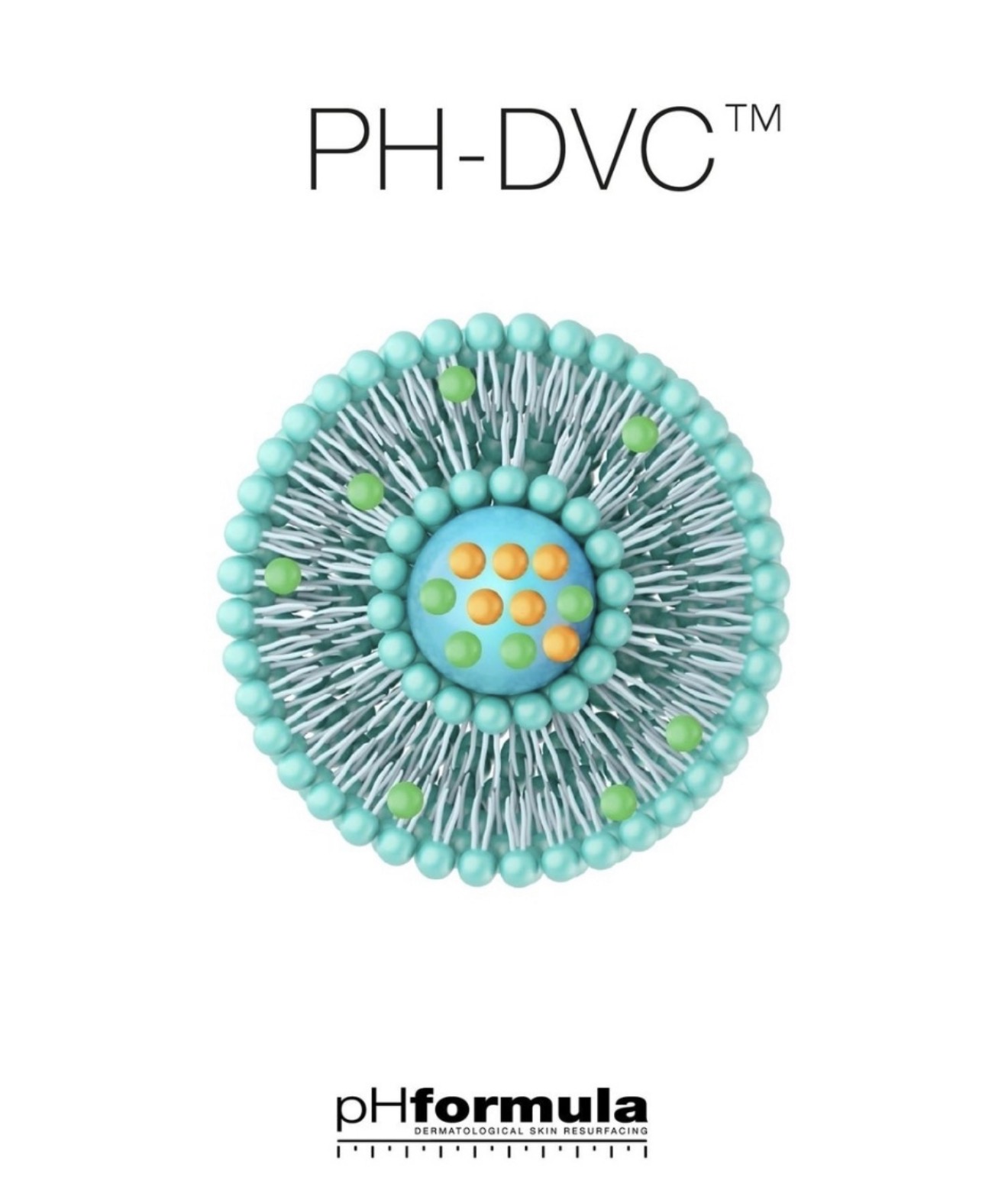
The engine behind it is PH-DVC(TM), pHformula's delivery complex, which carries pure-form actives into the skin while soothing and protecting the epidermis. For redness-prone skin the C.R. pathway draws on well-tolerated actives such as mandelic, lactic and salicylic acids alongside retinol, all delivered in a way designed to keep irritation low. If you would like the fuller background, our guide to what pHformula is and how it works walks through the science in plain English.
The consultation and the S.P. assessment
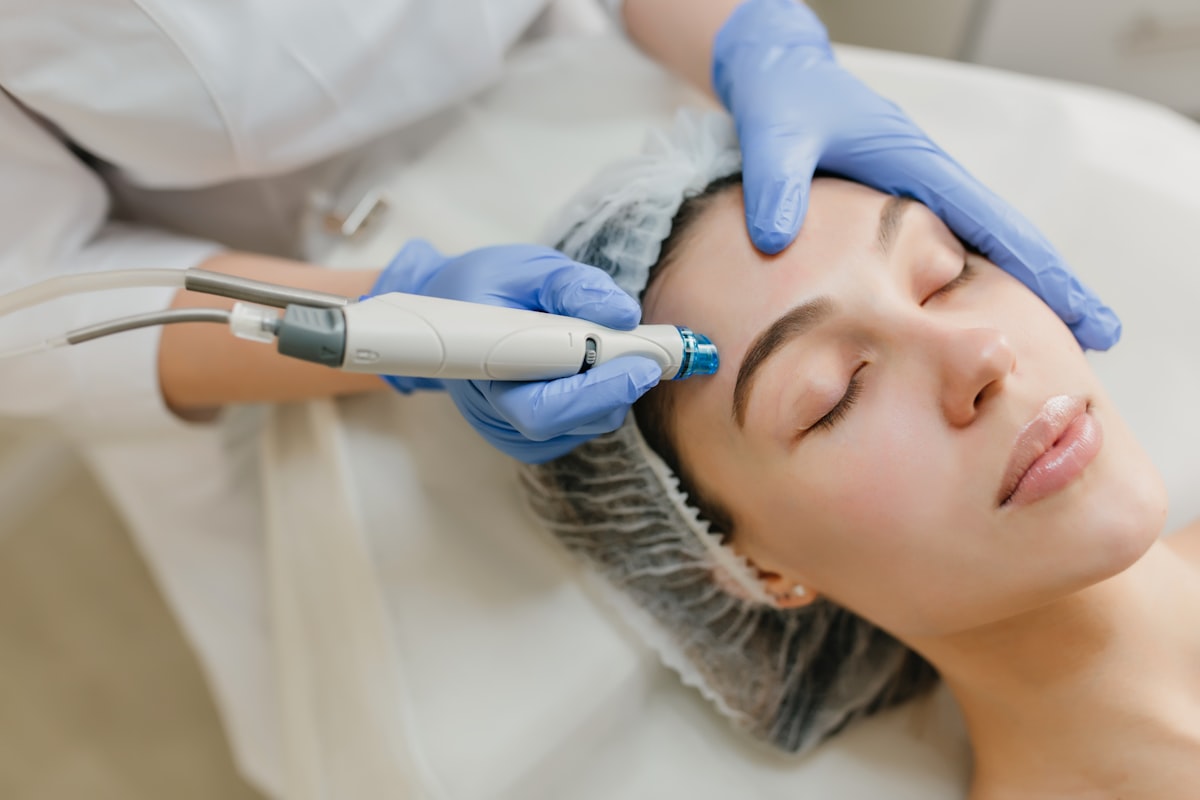
Sensitive skin does not stay the same from one week to the next, which is why every treatment begins with a consultation and skin analysis. Before each session we run the S.P. (Sensitivity and Permeability) assessment, a quick check that reads how reactive your skin is that day and guides the safest, most effective approach for that visit.
This is the part that matters most for rosacea. It means the plan flexes with your skin instead of forcing your skin to fit a fixed plan. As the only clinic in Western Sydney to stock pHformula, our team, Ann, Kirstie and Linda, tailor every step around what your skin is telling us, and you can read more on our pHformula resurfacing treatments page.
A typical first visit for redness-prone skin
Imagine someone who books in because their cheeks and nose flush at the smallest thing, sting when they try new products, and never quite settle. At the consultation we would talk through triggers, current products and history, then run the S.P. assessment to gauge sensitivity on the day.
From there we might begin gently, supporting the barrier first with a calming homecare routine before introducing more active resurfacing as the skin becomes more resilient. There is no single script. Some people move through a course steadily, others need a slower, softer start, and honesty about that is part of the point. If we felt your redness needed a GP or dermatologist first, we would say so.
What the C.R. pathway is designed to help with
- Persistent facial redness and easy flushing
- A weakened, reactive barrier that stings with active products
- Sensitivity that changes from visit to visit
- Skin that wants renewal without harsh stripping
Remember these are the concerns the pathway is designed to support, not promises. Results vary from person to person, which is exactly why the plan is built around you.
The short version
The short version: pHformula's C.R. pathway is built for rosacea-prone and redness-prone skin, using controlled resurfacing to calm and strengthen the barrier rather than strip it, with every plan customised at consultation and results that vary.
Frequently asked questions
Is pHformula a peel?
No, pHformula is controlled skin resurfacing, not a peel. It is designed to encourage renewal while preserving your barrier, using pure-form actives delivered through PH-DVC(TM), which is why it can suit sensitive and redness-prone skin when guided by a consultation.
Will pHformula make my rosacea worse?
It should not, because the C.R. pathway is designed for reactive skin and every visit begins with an S.P. sensitivity assessment. That check lets us adjust to how your skin is behaving that day. Results vary, so we start gently and build only as your skin allows.
How many sessions will I need for redness?
There is no fixed number, because it depends on your skin, your triggers and how you respond. pHformula is usually worked as a customised course paired with homecare. At your consultation we will give you an honest, personalised idea of what a plan might look like.
Can I use pHformula if I have very sensitive skin?
Often yes, and pHformula for sensitive skin is exactly what the C.R. pathway and the S.P. assessment are made for. We read your sensitivity before every treatment and adjust accordingly. If your skin needs to settle first, we will start with barrier-supporting homecare before any resurfacing.
Is there downtime with pHformula for redness?
pHformula is designed for minimal downtime, though your experience depends on your skin and the strength of your program. Some people notice mild warmth or light flaking for a day or two. We will talk you through what to expect and how to care for your skin afterwards.
If your skin runs red or reactive and you are not sure where to begin, come in for a chat. Book a consultation with our team and we will read your skin properly and build a calm, considered plan around it.