Do LED and radio frequency treatments actually work?
Yes, LED and radio frequency skin treatments have real, well studied effects, and they work in different ways. LED uses specific wavelengths of light to calm or stimulate the skin, while radio frequency uses gentle heat to encourage firmer, more toned skin over a course. Results vary, and both work best as part of a plan.
They are not a single magic fix, and honest expectations matter. Think of them as steady, supportive treatments that build on each other, rather than a one visit switch. Below we explain what each one does, who they tend to suit, and how we would talk it through with you at a consultation with our St Marys team.
What does LED light therapy actually do?
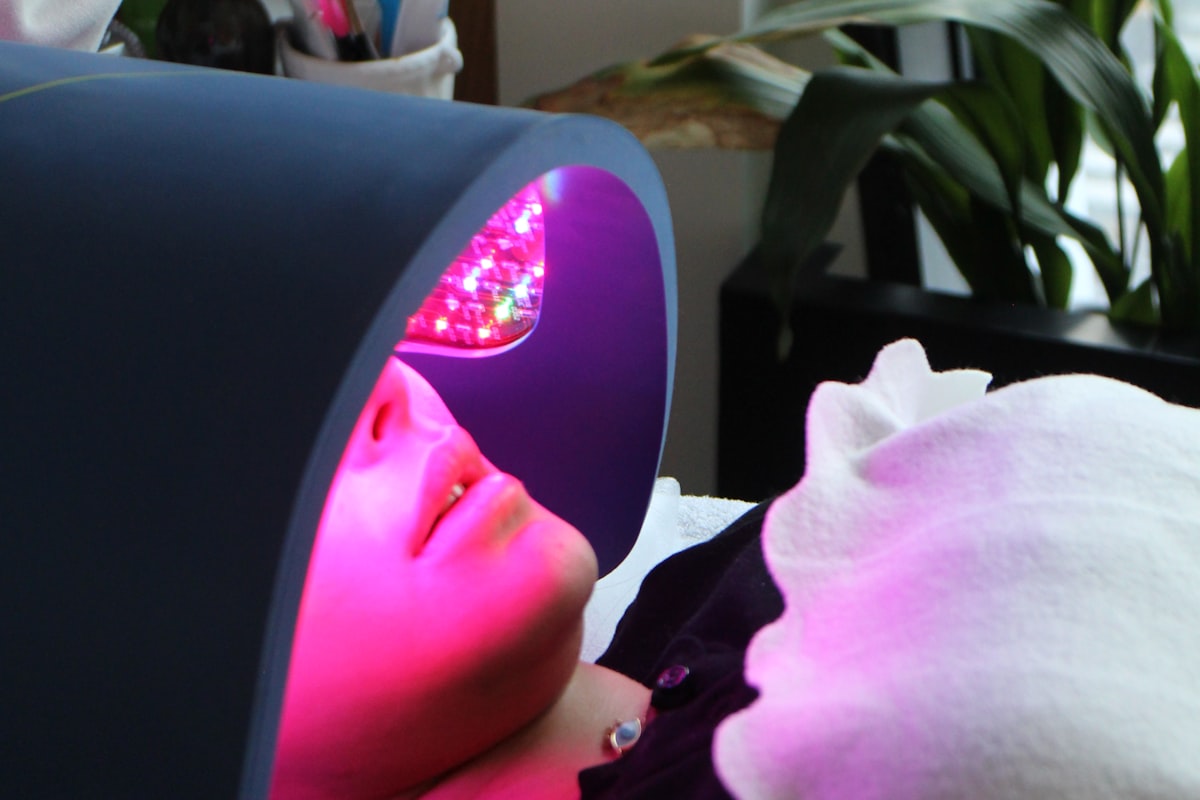
LED light therapy uses different colours of light, each at a set wavelength, to prompt a specific response in the skin. Red light is used to support comfort and the look of firmness, while blue light is often chosen for skin that tends to break out. There is no heat you need to recover from and no downtime.
It works to support the skin rather than to force a dramatic change in one go. That is why we usually recommend a short course, spaced close together, then a maintenance rhythm once your skin settles. LED also pairs neatly with other treatments, which is why it often sits alongside a facial or resurfacing plan. You can read more on our LED light therapy page.
What does radio frequency do for the skin?
Radio frequency delivers controlled, gentle heat into the deeper layers of the skin, which works to encourage your own collagen over time. The aim is skin that looks and feels firmer and more toned, gradually, across a course of sessions rather than overnight.
Because it relies on your skin responding and rebuilding, radio frequency is a slow and steady treatment by nature. Most people notice the look develops over weeks and months, not days, and a maintenance session now and then helps hold it. It is a considered option for age management, and it sits comfortably next to LED and hydrating facials in a tailored plan. Our radio frequency treatments page has the detail.
How LED and radio frequency compare
They are often confused, but they do different jobs. Here is a simple side by side to make the difference clear.
| Feature | LED light therapy | Radio frequency |
|---|---|---|
| How it works | Wavelengths of light | Controlled, gentle heat |
| Mainly helps with | Comfort, breakouts, look of firmness | Firmness and tone over time |
| Sensation | Warm light, relaxing | Comfortably warm |
| Downtime | None | Little to none |
| Timeline | A course, then maintenance | Gradual over weeks to months |
A real example from the treatment room
A client in her late forties came in feeling her skin looked a little tired and less firm along the jaw, and she wanted something with no downtime around work. After a proper look at her skin, we suggested starting with a short course of radio frequency to work on firmness and tone, with LED added on to keep the skin calm and comfortable in between.
We were honest with her that this was a gradual plan, not an instant change, and that we would review her skin as we went. That is how every plan works here. We start with what your skin needs first, we keep it realistic, and we adjust. If your concern is better suited to a different treatment, we will tell you, because a plan built around you is the whole point.
Which one is right for you?
- If your skin tends to break out or feels reactive, LED is a gentle, no downtime place to start.
- If firmness and tone are your main concern, radio frequency is designed to work on that over a course.
- If you want overall support with no recovery time, the two often work well together.
- If you are not sure, that is exactly what a consultation is for.
Both treatments also slot neatly into a wider routine. Many clients combine them with our hydration and nourishing facials or a resurfacing plan, and you can see how it all fits in our age management guide. If resurfacing is on your mind, our explainer on pHformula resurfacing is a good next read.
The short version
LED and radio frequency both work, in different ways and over time, and they are at their best inside a plan built around your skin rather than as a one off. Results vary, so a consultation comes first.
Frequently asked questions
Do LED and radio frequency treatments hurt?
No, both are comfortable treatments that most clients find relaxing. LED feels like warm light on the skin, and radio frequency feels comfortably warm as it works, with little to no downtime afterwards.
How many sessions will I need?
Most people do best with a short course rather than a single visit, then occasional maintenance. The exact number depends on your skin and your goals, which is something we work out together at your consultation. Results vary from person to person.
Can LED and radio frequency be done together?
Yes, they are often combined because they do different jobs. LED helps keep the skin calm and comfortable while radio frequency works to support firmness and tone, and we tailor the pairing to your skin.
Is there any downtime?
There is little to none with either treatment. LED has no downtime at all, and radio frequency may leave the skin looking slightly warm for a short while, which settles quickly so you can carry on with your day.
Are these treatments suitable for sensitive skin?
Often yes, because both are gentle by design, but it depends on your skin. This is why every treatment starts with a consultation, so we can check your skin is comfortable and choose the right settings for you.
Not sure where to start? Book a consultation and our team at Skin Essentials will take a proper look at your skin and build a plan around you. There is no pressure, just a warm chat about what will genuinely help.