Facials vs resurfacing for acne-prone skin: the honest verdict
The short answer: for calming active breakouts and keeping congested skin healthy, a treatment facial is the gentler starting point, while pHformula resurfacing works to soften post-acne marks and refine texture once the skin can handle more. Most acne-prone skin does best with both over time, and the right order for you is decided at a consultation.
If you have acne-prone skin, choosing between a facial and skin resurfacing can feel confusing, because both promise clearer, calmer skin and both live on our treatment menu. The honest truth is that they do different jobs. One soothes and maintains, the other resurfaces and refines. Knowing which you need, and when, saves you money and protects your barrier.
Here at Skin Essentials in St Marys, every plan starts with a proper look at your skin, so nothing below is a substitute for that. It is a plain-English guide to help you walk in with better questions. For the bigger picture on why breakouts happen in adult skin, our complete guide to adult acne is the place to start.
Facials vs resurfacing for acne: side-by-side
| Treatment facials | pHformula resurfacing | |
|---|---|---|
| What it is | A tailored cleanse, extraction and hydration treatment (custom hydration facials, LED light therapy, hydrabrasion) | Controlled skin resurfacing using pHformula and PH-DVC™ to work on the deeper layers |
| Best for | Active congestion, oiliness, maintenance, sensitive or reactive skin | Post-acne marks, uneven texture, scarring, stubborn congestion |
| Depth | Works mostly on the surface and comfort of the skin | Works deeper to resurface and renew |
| Comfort | Relaxing, no real downtime | Some warmth or tingling, skin may look flushed or flaky for a few days |
| How often | Every 4 to 6 weeks as maintenance | Usually a short course, spaced to suit your skin |
| Results | Designed to calm, clear and maintain; results vary | Works to refine texture and even tone over a course; results vary |
Treatment facials for acne-prone skin
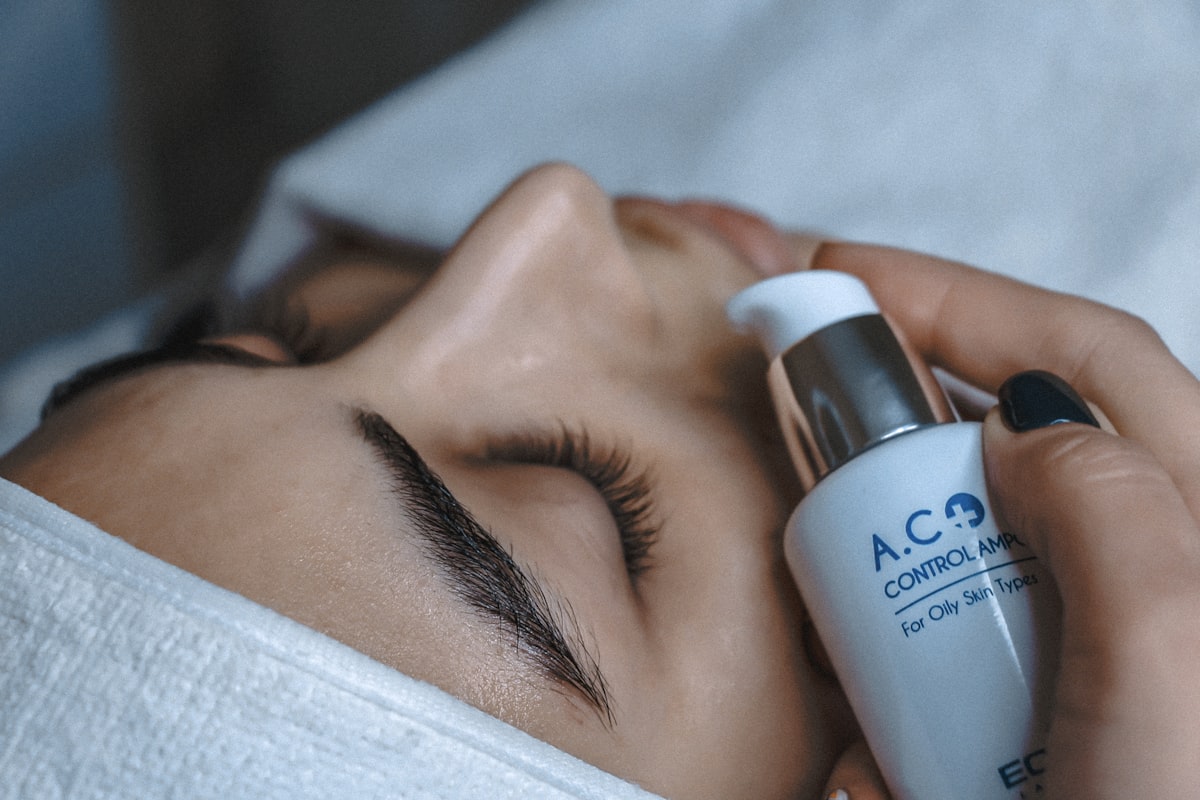
A treatment facial is designed to cleanse, decongest and calm the skin without pushing it too hard. For acne-prone skin, this often means gentle extraction, oil balancing and deep hydration, sometimes paired with LED light therapy, which works to target the bacteria linked to breakouts. It is the option we usually reach for first when skin is inflamed, reactive or simply needs steady maintenance.
What to expect: a relaxing session with no real downtime, so you can head back to your day straight after. Facials will not resurface deeper marks or scarring, and one visit is rarely enough on its own. Think of them as the regular care that keeps congestion in check and your barrier strong, which is exactly the foundation acne-prone skin needs before anything more advanced. A stressed, over-stripped barrier is one of the most common reasons breakouts linger, so calming first is rarely wasted time. Our custom hydration and nourishing facials are built around your skin on the day, not a fixed menu, and we adjust every step to how your skin is actually behaving in front of us.
pHformula resurfacing for acne-prone skin
pHformula resurfacing is a controlled treatment that works deeper than a facial to renew the skin and refine its surface. It is not a peel. It is a professional skin resurfacing system, and we are the only clinic in Western Sydney to stock pHformula, delivered by therapists with decades of combined experience. For acne-prone skin, it is designed to help soften post-acne marks, smooth uneven texture and clear stubborn congestion that facials alone have not shifted.
What to expect: you may feel some warmth or tingling during the treatment, and afterwards your skin can look flushed or flake lightly for a few days as it renews. That is why timing matters. We would not resurface skin that is mid-flare or very reactive, we would settle it first. Resurfacing usually works best as a short course, and every plan is personalised, so results vary from person to person. It also pairs well with good homecare, which we will guide you on so the work we do in the clinic keeps building at home. You can read more on our pHformula resurfacing page.
Which is right for you?
Here is the simple if-then guidance we would talk through with you in the treatment room. Your own answer is always confirmed at a consultation, because acne-prone skin is rarely one thing.
- If your skin is actively breaking out, red or sensitive right now, then start with a treatment facial to calm and decongest. Resurfacing can come later, once things have settled.
- If your breakouts are under control but you are left with marks, scars or rough texture, then pHformula resurfacing is likely the better fit to refine and even things out.
- If you mainly want to keep clear skin clear, then regular facials as maintenance are usually enough, with resurfacing added only if a specific concern appears.
- If you are not sure, or you have tried plenty and nothing has stuck, then book a consultation first. This is the honest answer more often than not, and it is the safest way to protect your skin and your budget.
For many people the real answer is not one or the other but a sequence: calm and maintain with facials, then resurface when the skin is ready. If you would like to talk it through, our team at St Marys is happy to help. It can also help to read how the two approaches compare in our guide to skin resurfacing versus a regular facial.
Frequently asked questions
Can I have a facial and resurfacing in the same plan?
Yes, and many people do. We often use facials to calm and maintain the skin, then introduce resurfacing when it is ready. The order and spacing are tailored to you at a consultation, because acne-prone skin changes over time.
Will resurfacing make my acne worse before it gets better?
It should not, when the timing is right. We assess your skin first and would settle any active flare before resurfacing. Some light flaking or flushing for a few days afterwards is normal as the skin renews, and results vary from person to person.
Is pHformula resurfacing the same as a peel?
No. pHformula is a controlled skin resurfacing system, not a peel. It works to renew the skin with less of the harsh downtime people associate with older, more aggressive methods, though everyone responds differently, which is why we assess and personalise every single treatment.
How many sessions will I need for acne-prone skin?
It depends on your skin and your goal, so we confirm this at your consultation. Facials are usually ongoing every 4 to 6 weeks as maintenance, while resurfacing tends to work best as a short course. Results vary, and we never promise a fixed outcome.
Which is better for acne scarring, facials or resurfacing?
For post-acne marks and texture, resurfacing is generally the stronger option, as facials work mainly on the surface. That said, deeper scarring sometimes needs other care, and we will always tell you honestly if that is the case.
Not sure where to start? The kindest thing you can do for acne-prone skin is have someone look at it properly before committing to anything. Book a consultation with Ann, Kirstie or Linda, and we will build a plan around your skin, at your pace.