
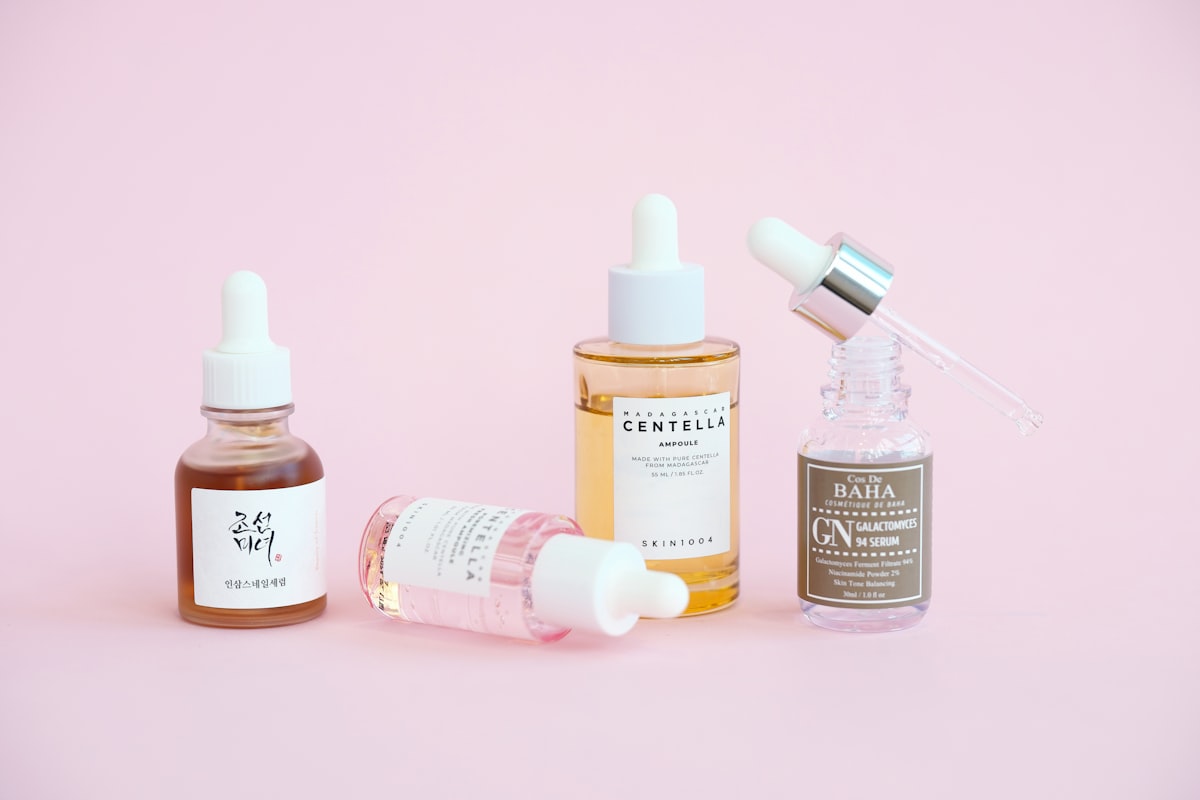
A skincare routine that actually works
A skincare routine that actually works comes down to four steps used consistently: cleanse, treat, moisturise and protect with sunscreen every morning. Keep it simple, give each product time, and build it around your own skin rather than a trend. Results vary, and the right mix is personal.
Most people do not need ten products. They need a few good ones, used in the right order, at the right time of day. The hard part is not buying more, it is being consistent and letting your skin settle.
Below we walk through how to structure your routine, how to introduce active ingredients gently, and when it is worth booking a professional treatment to support what you do at home.
What does a basic skincare routine include?
A basic skincare routine has four jobs: clean the skin, treat a specific concern, hydrate the barrier, and protect from the sun. Everything else is optional and added slowly, one product at a time, once the core is steady.
Think of it in two parts. Your morning routine is about protection, so it finishes with sunscreen. Your evening routine is about repair, so it is where treatment products and richer moisturisers usually sit. You do not need a different brand for every step to look after your skin well.
Order matters more than quantity. As a general rule you apply from thinnest to thickest texture, so watery products go on before creams. If you are layering an active such as vitamin C or a retinoid, give it a clear place rather than mixing everything at once.
How do you build a routine for your skin type?
Start by working out what your skin actually needs right now, then choose products that support that rather than fight it. Dry and sensitive skin usually wants gentle cleansing and barrier support first. Oilier or congested skin can often handle more active ingredients, introduced slowly.
The most common mistake we see in the treatment room is doing too much, too fast. New acids, a strong retinoid and an exfoliant in the same week will often leave skin red, tight and reactive, which reads as sensitivity when it is really irritation. When in doubt, strip back to cleanse, moisturise and sunscreen for a fortnight, then reintroduce one active at a time.
If you are not sure where your skin sits, that is exactly what a consultation is for. Understanding your barrier, your history and your goals is the same starting point we use before any treatment, which you can read more about in our guide to what to expect at your first visit.
A simple morning and evening structure
Here is a straightforward framework you can adapt. It is designed to be a starting point, not a fixed prescription, because the right routine depends on your skin.
| Step | Morning | Evening |
|---|---|---|
| Cleanse | Gentle cleanser or a water rinse | Cleanser to remove the day, sunscreen and makeup |
| Treat | Antioxidant such as vitamin C (optional) | Targeted active such as a retinoid, a few nights a week |
| Hydrate | Lightweight moisturiser | Moisturiser, richer if your skin is dry |
| Protect | Broad-spectrum SPF 30 or higher | Not needed at night |
A real example from the treatment room
Picture someone in their thirties who comes in frustrated that a drawer full of products is not working. On closer look, they are cleansing twice a day with a foaming wash, using a strong retinol nightly, adding an exfoliating acid most mornings, and skipping sunscreen because their skin feels irritated.
The skin is not failing, it is overwhelmed. We would usually simplify first: a gentler cleanser, the retinol dropped back to two or three nights a week, the acid paused, a proper moisturiser added, and daily sunscreen brought back in. Once the barrier calms, actives are reintroduced one at a time. From there, an in-clinic treatment such as a custom hydration and nourishing facial can support the home routine rather than replace it. Results vary, and every plan starts with a consultation.
When is it worth adding a professional treatment?
A good home routine is the foundation, and professional treatments work best sitting on top of it, not instead of it. When you have a specific concern that home care alone is not shifting, such as texture, congestion or uneven tone, that is often the point to bring in clinic support.
Treatments are chosen to match your skin and your goals. Controlled pHformula skin resurfacing, for example, is a professional-only approach designed to work on concerns like pigmentation and texture, always planned around your barrier and your routine. It is resurfacing, not a peel, and it is tailored rather than one-size-fits-all. If you are weighing home care against in-clinic options, our piece on how home routines and professional treatments work together goes deeper.
Quick checklist for a routine that lasts
The short version: a routine that works is a consistent, simple one, built around your skin, protected daily with sunscreen, and supported by professional treatment when a concern needs more than home care.
Frequently asked questions
How long before a skincare routine shows results?
Give a new routine around eight to twelve weeks before you judge it, because skin renews slowly and active ingredients take time. You may notice hydration and comfort improve sooner, while changes in texture and tone are more gradual. Results vary from person to person.
What order should I apply my skincare products?
Apply from thinnest to thickest texture, so cleanser first, then watery serums, then moisturiser, and sunscreen last in the morning. If you use a targeted active such as a retinoid, give it a set place at night rather than layering several strong products at once.
Do I really need sunscreen every day?
Yes, daily broad-spectrum sunscreen is the single most valuable step in most routines, and it works to protect the results of everything else you do. Sun exposure adds up even on cloudy days and through windows, so make it a year-round morning habit.
Can I use too many skincare products?
Yes, and it is one of the most common causes of irritated skin. Too many actives at once can leave skin tight, red and reactive, which is often mistaken for sensitivity. When that happens, strip back to the basics and reintroduce one product at a time.
Should I get a professional consultation before changing my routine?
It helps, especially if your skin is reactive or you are not seeing change. A consultation lets us understand your barrier, history and goals so any advice or treatment is built around your skin. Every treatment with us begins with one, so nothing is guesswork.
If you are not sure where to start, or your routine has stopped working the way it used to, we are happy to help. Book a consultation with our team and we will build a plan around your skin, gently and at your pace. You can reach us any time through our contact page.